

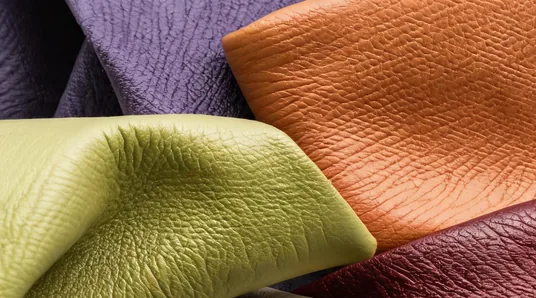


2026 Global CMF Design Trends: From Visual Aesthetics to Emotional Connection


The climate crisis deepens, living costs rise, and AI rapidly permeates daily life. Under these forces, the design world in 2026 is undergoing profound transformation and reinvention.
According to the "2025-2026 CMF Design Trend Report" published by the Korea Institute of Design Promotion, future colour, material and finish design will no longer compete on surface-level visual appeal. Instead, it shifts towards more fundamental concerns — the origin and end-of-life of materials, the full product lifecycle, and how genuine emotional connections are forged between people and objects. The following CMF design shifts outline this transformation.
Material as Protagonist
Embracing Imperfect Authenticity
PURE®
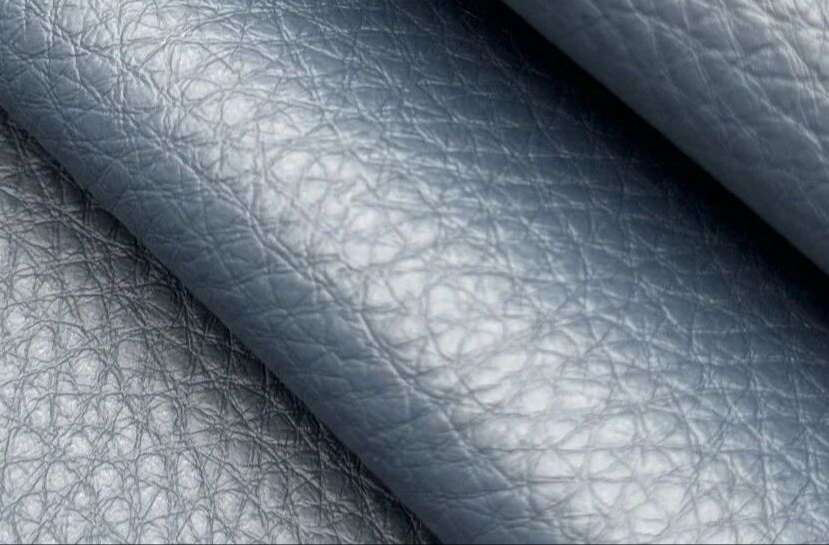
Fatigue from prolonged environmental messaging has pushed the design world towards a more candid stance: no longer chasing flawless surfaces, but embracing the raw state of materials. Bubbles, scratches, uneven textures — details once dismissed as defects — now carry the material's own story.
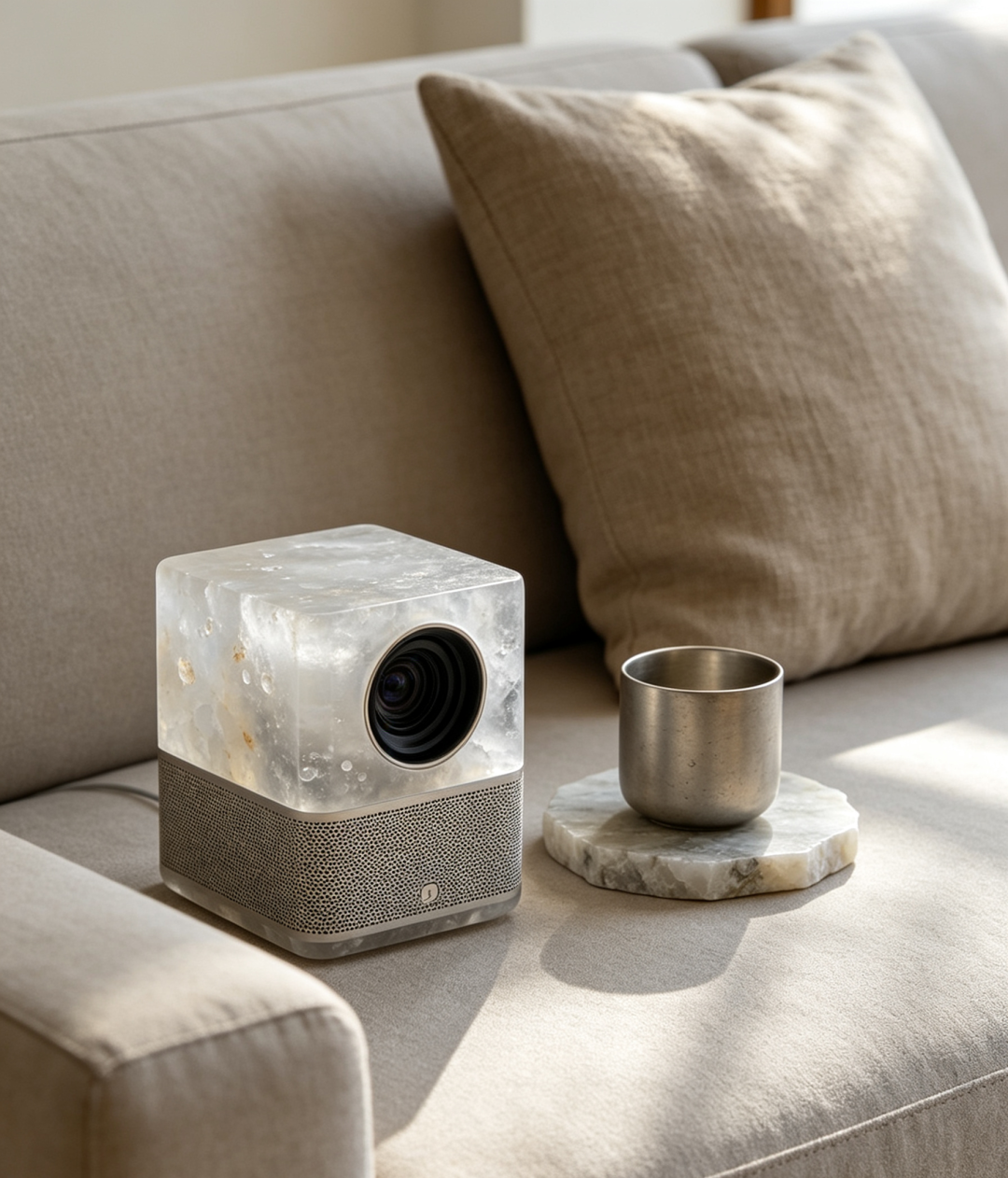
Waste is redefined as a resource. Cork, recycled glass, and bio-based fabrics made from algae residue are moving from the margins to the mainstream. Colours return to earth tones — carbon black, metallic grey, basalt, and warm greys and oat tones extracted from rock — rugged yet warm.
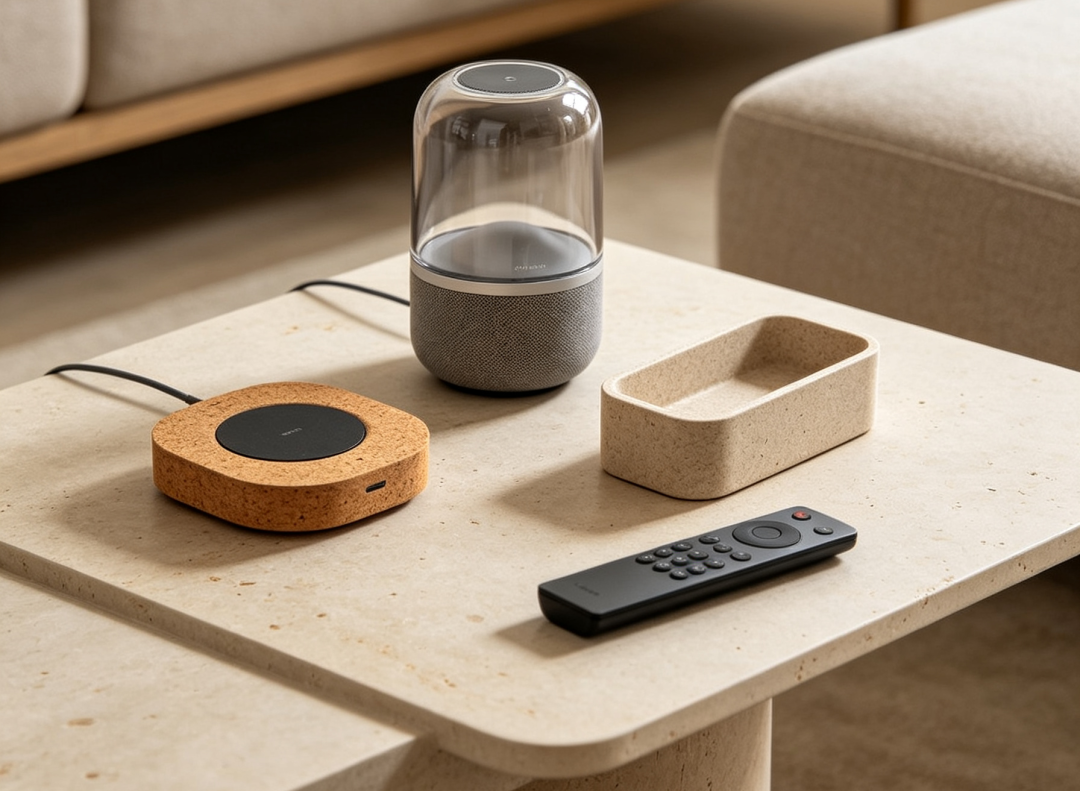
Within this context, ChangfengNew Materials has long moved beyond the reductive label of "eco-friendly materials" — its water-based PU synthetic leather replaces organic solvents with water, eliminating DMF and benzene from the source; its bio-based series even incorporates oat husk powder into the fabric texture, transforming food industry by-products into finely textured textiles. This is not an imitation of "imperfection", but an honest account of the material lifecycle.
Repair & Utility
Making Products Last Longer
PURE®
Rising living costs are making consumers re-evaluate the value of every purchase. Second-hand markets are growing, DIY repair is on the rise, and "making it last longer" has become a tangible demand.
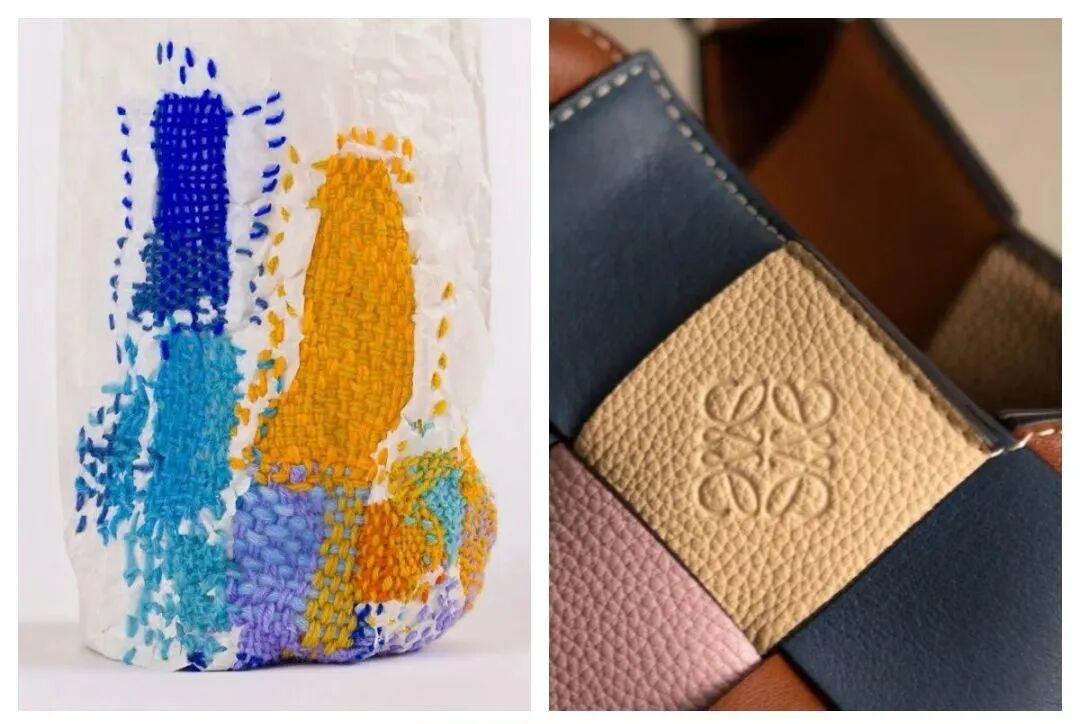
Against this backdrop, repair culture has risen to become a proactive design strategy: modular structures, easily replaceable components, and swappable core parts are now fundamental considerations in product design.
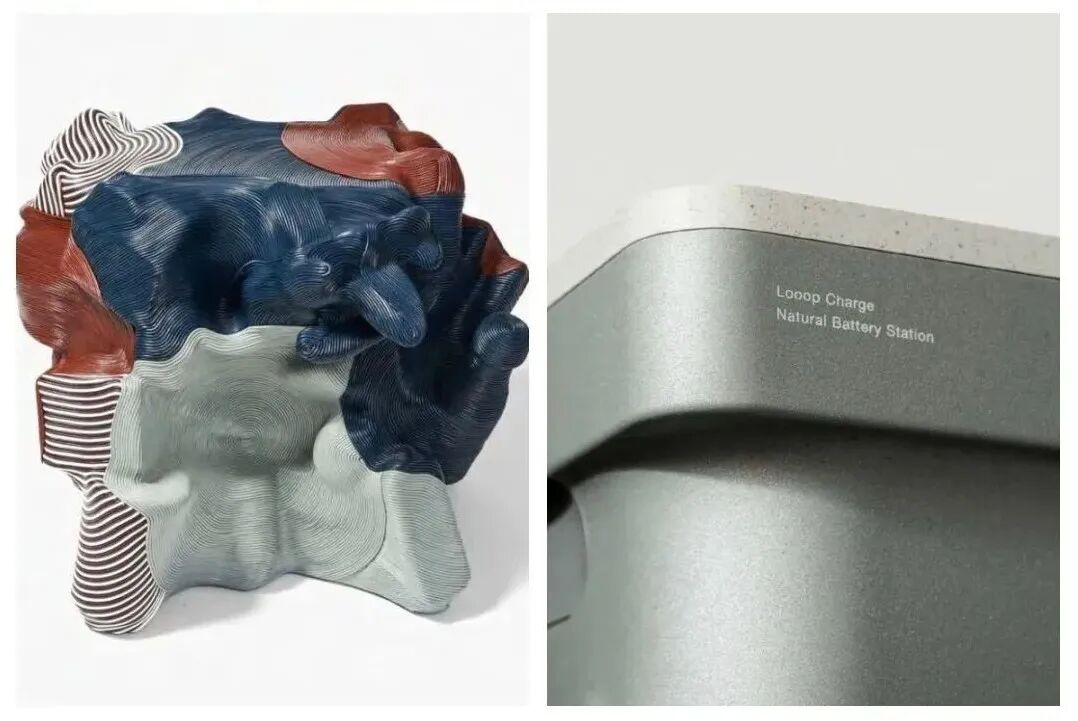
Repair marks no longer need to be hidden. Visible patches, exposed stitching, and unfinished edges become part of a product's unique history. Colour palettes lean towards the warmth of ceramics and wood, with bright mid-tones paired with grounded neutrals — practical yet never dull.
Quiet Aesthetics
A Sanctuary for Mind and Body
PURE®
In the post-pandemic era, attention to mental wellbeing is permeating spatial experiences. Homes and car interiors are no longer just physical containers — they must serve as sanctuaries offering emotional buffering.
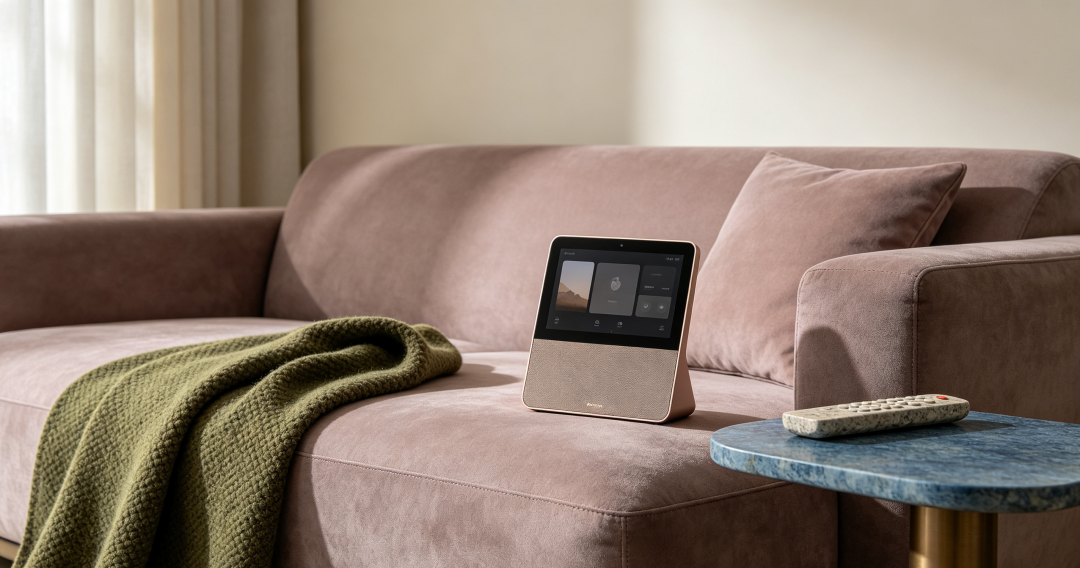
In this trend, CMF design takes on a therapeutic role, creating calm atmospheres through touch and sight —
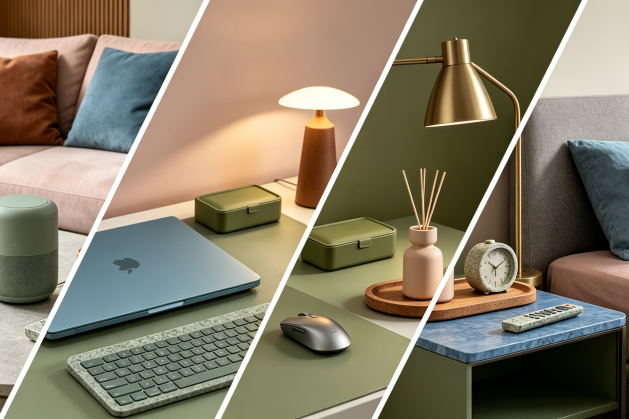
the restraint of matte surfaces, the softness of satin finishes, the groundedness of stone-like textures — all convey trust and stability. In colour, low-saturation earthy pastels take centre stage: olive green, vintage blue, warm brown, layered in tonal harmony — visually understated, yet emotionally calming.
Symbiosis of Real & Virtual
Surreal Imagination in the AI Era
PURE®
The explosion of artificial intelligence has broken down the boundaries between the real and the virtual, opening new dimensions for design. The "AI Utopia" trend explores how digital aesthetics translate into the physical world: high-gloss, reflective surfaces, and smart materials that shift with light are giving products unprecedented expressive power.
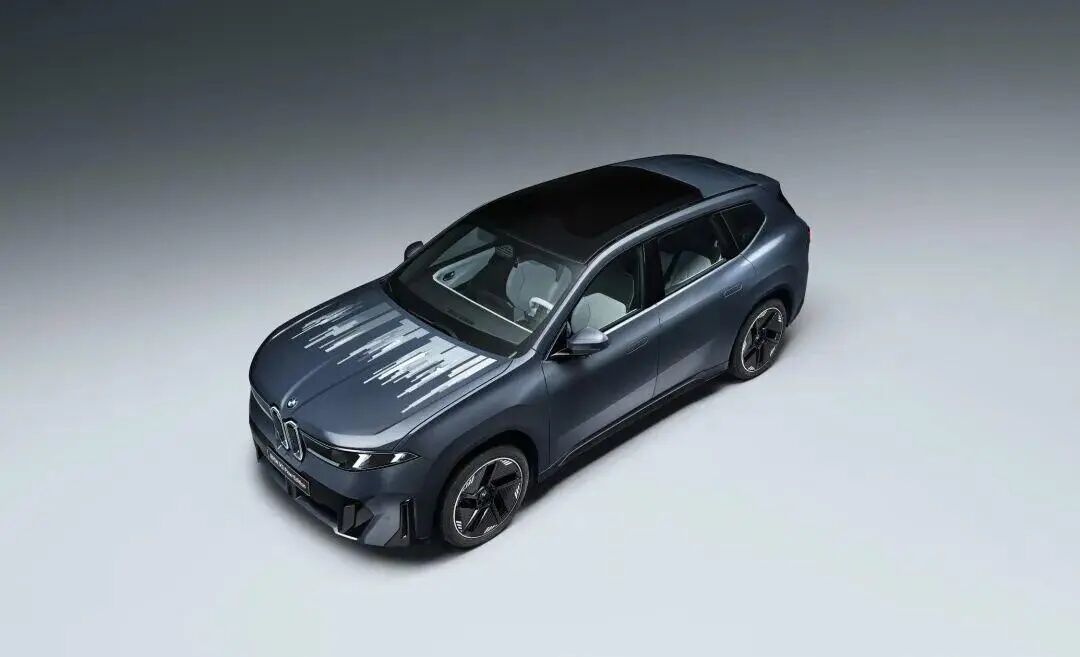
BMW's colour-changing ink technology combined with crystal materials is a typical example of this direction. Colours also turn dreamlike — magenta, deep emerald, electric blue — paired with gradients and light effects, bringing the visual language of the virtual world into reality.
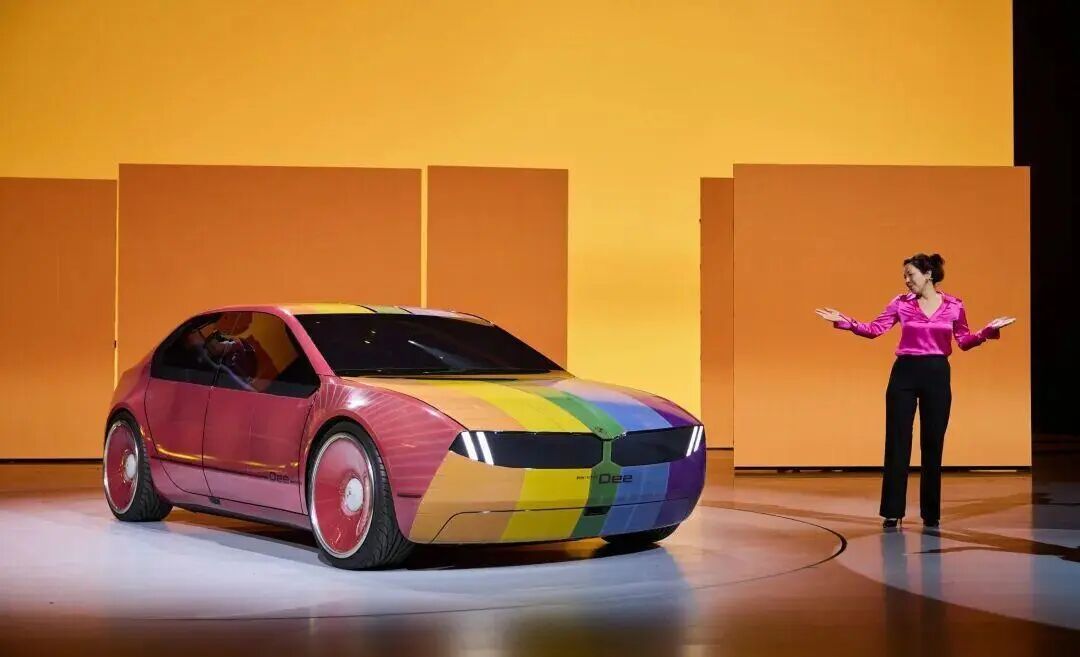
ChangfengNew Materials PURE®Library's extensive premium colour palette and customisable textures provide designers with a bridge between imagination and creation.
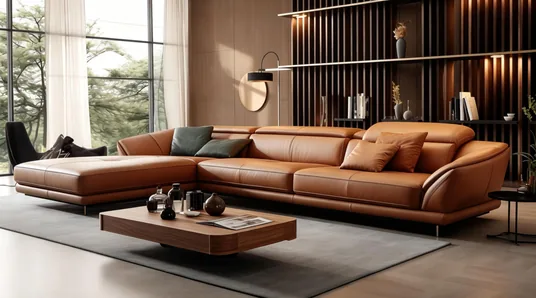
Whether it is home textiles pursuing health and sustainability, automotive interiors demanding strict low-VOC assurance, consumer electronics requiring the highest standards of skin-contact safety, or creative fashion brands seeking both eco-credentials and premium texture, it delivers results close to digital aesthetics in real products — without compromising environmental integrity.