

Industry's First Water-Based Leather Grading Certification Standard Arrives!


China currently has nearly 2,000 synthetic leather manufacturers of varying sizes. The vast majority still use solvent-based resins, generating over 200,000 tonnes of VOC emissions, more than 8 million tonnes of wastewater, and over 50,000 tonnes of hazardous solid waste annually. This has caused severe environmental pollution.
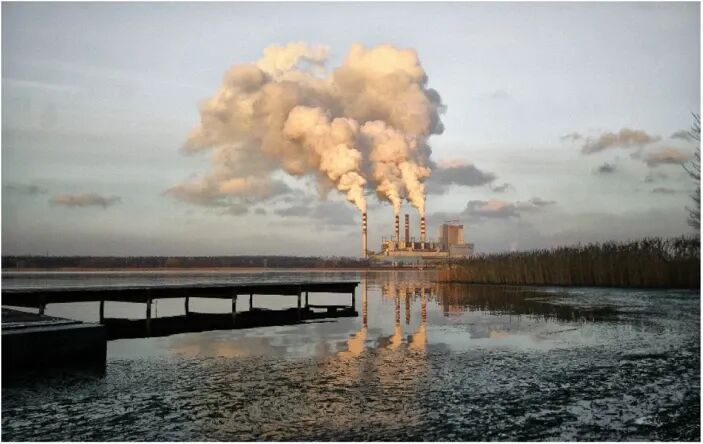
However, traditional leather and certain oil-water blended leathers may contain formaldehyde, VOCs, dimethylformamide, benzene and its homologues toluene and xylene. These hazardous substances are slowly released into the environment during use. Prolonged exposure can pose serious health risks.
As national environmental policies are introduced at pace, the traditional leather industry is undergoing transformation and upgrading. The outdated "pollute first, treat later" model is being abandoned. Meanwhile, consumers demand higher performance and quality from synthetic leather, with significantly stronger health and environmental awareness. Against this backdrop, developing eco-friendly materials has become an inevitable industry trend.
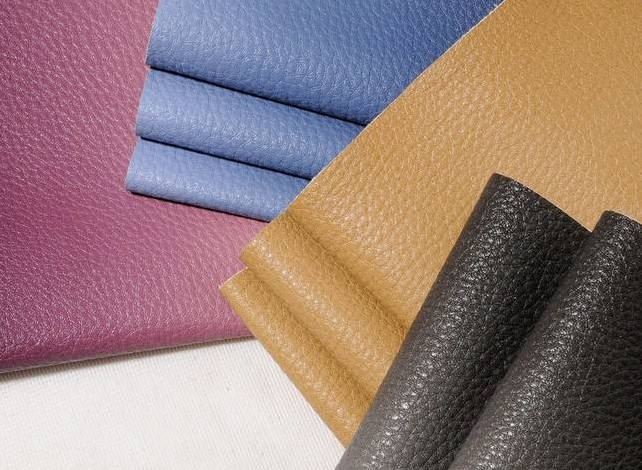
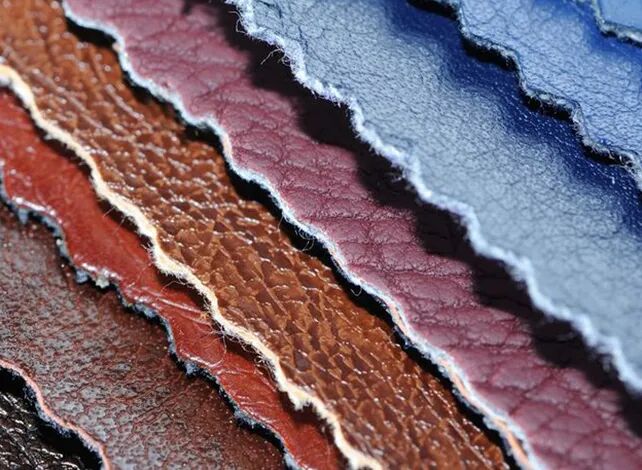
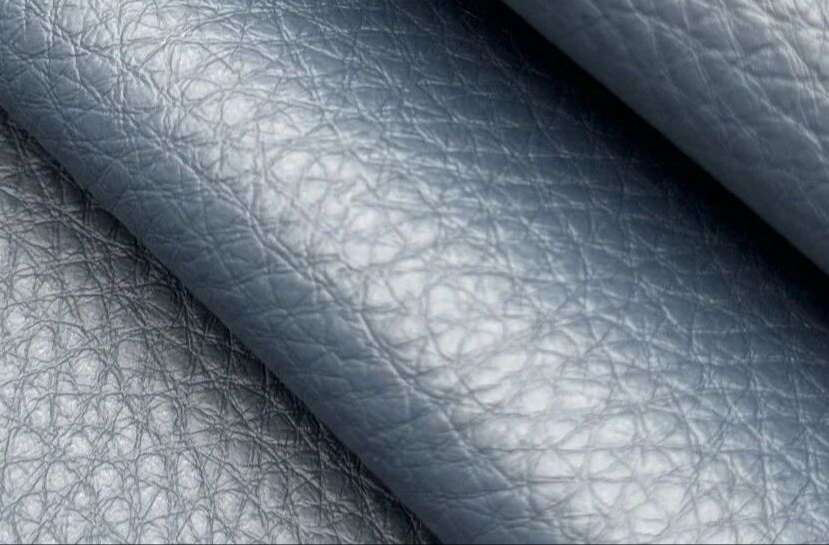
Traditional synthetic leather
During this critical transition, many new products have emerged. Regrettably, some suppliers still exploit regulatory gaps and limited consumer awareness, selling products of inconsistent quality. While consumers can choose according to their needs, the lack of industry standards remains a serious concern. This challenge not only hinders healthy industry development but also threatens consumer interests.
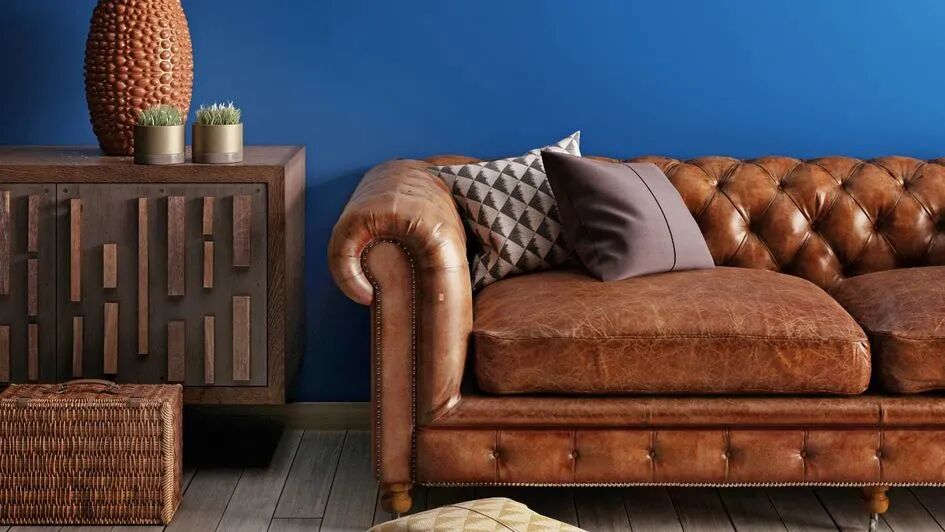
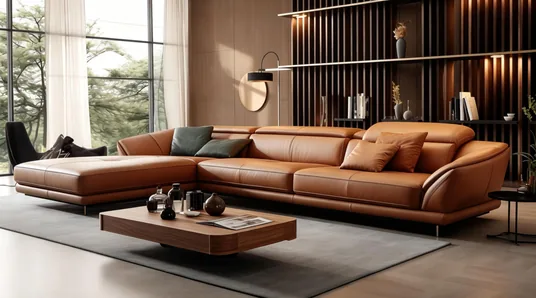
Furniture upholstered in synthetic leather
By contrast, China's formaldehyde-free board and water-based paint industries have already established and implemented mature green standards, achieving notable progress in international markets. The synthetic leather industry, lacking unified standards, faces ambiguity in both industry and consumer understanding of key indicators and performance.
To drive sustainable development across the industry, transformation and the development of green, low-carbon water-based leather products are essential. But establishing unified industry standards is the key to raising overall manufacturing quality and environmental performance.
Amid the chaos, a leader must step forward.
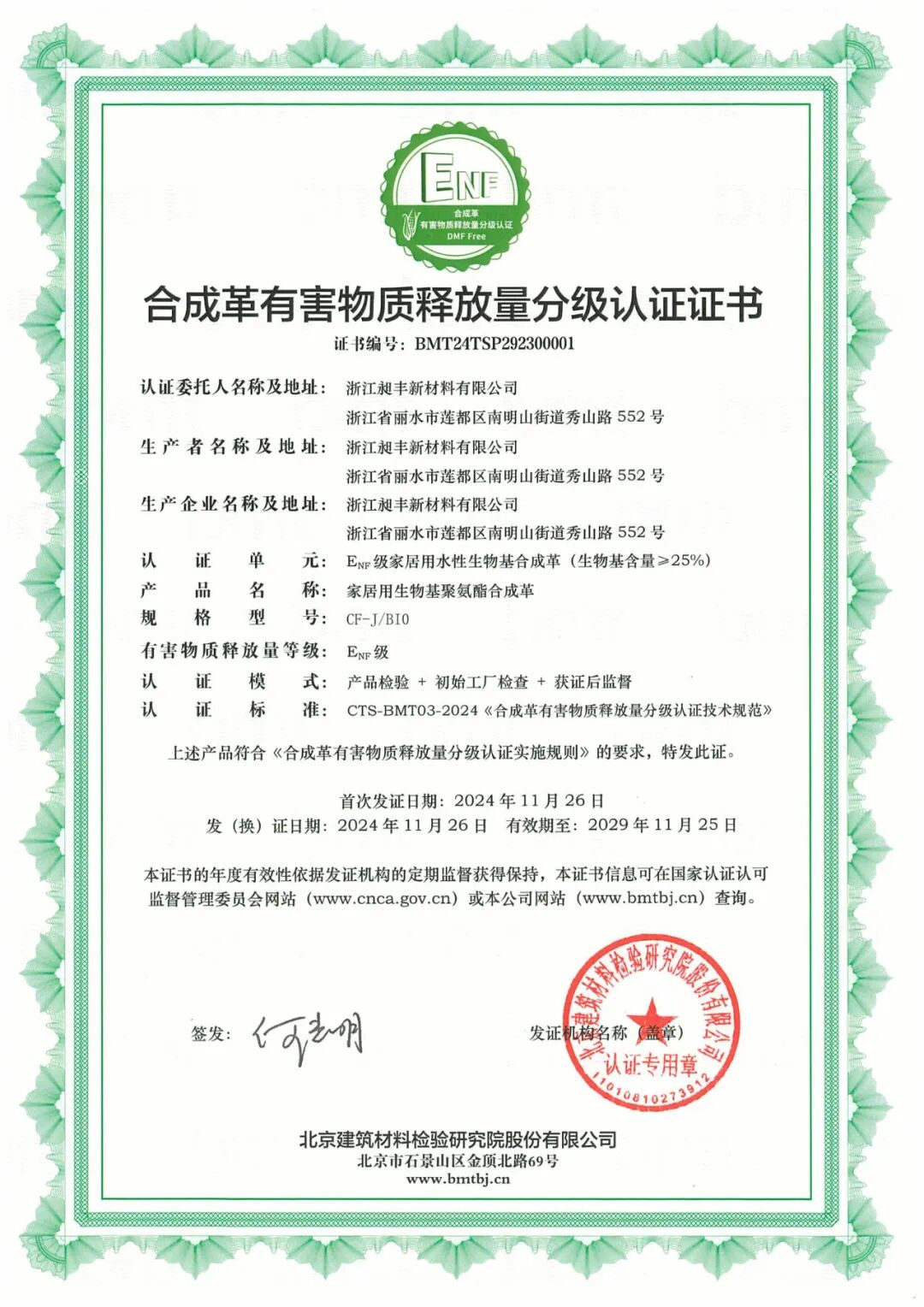
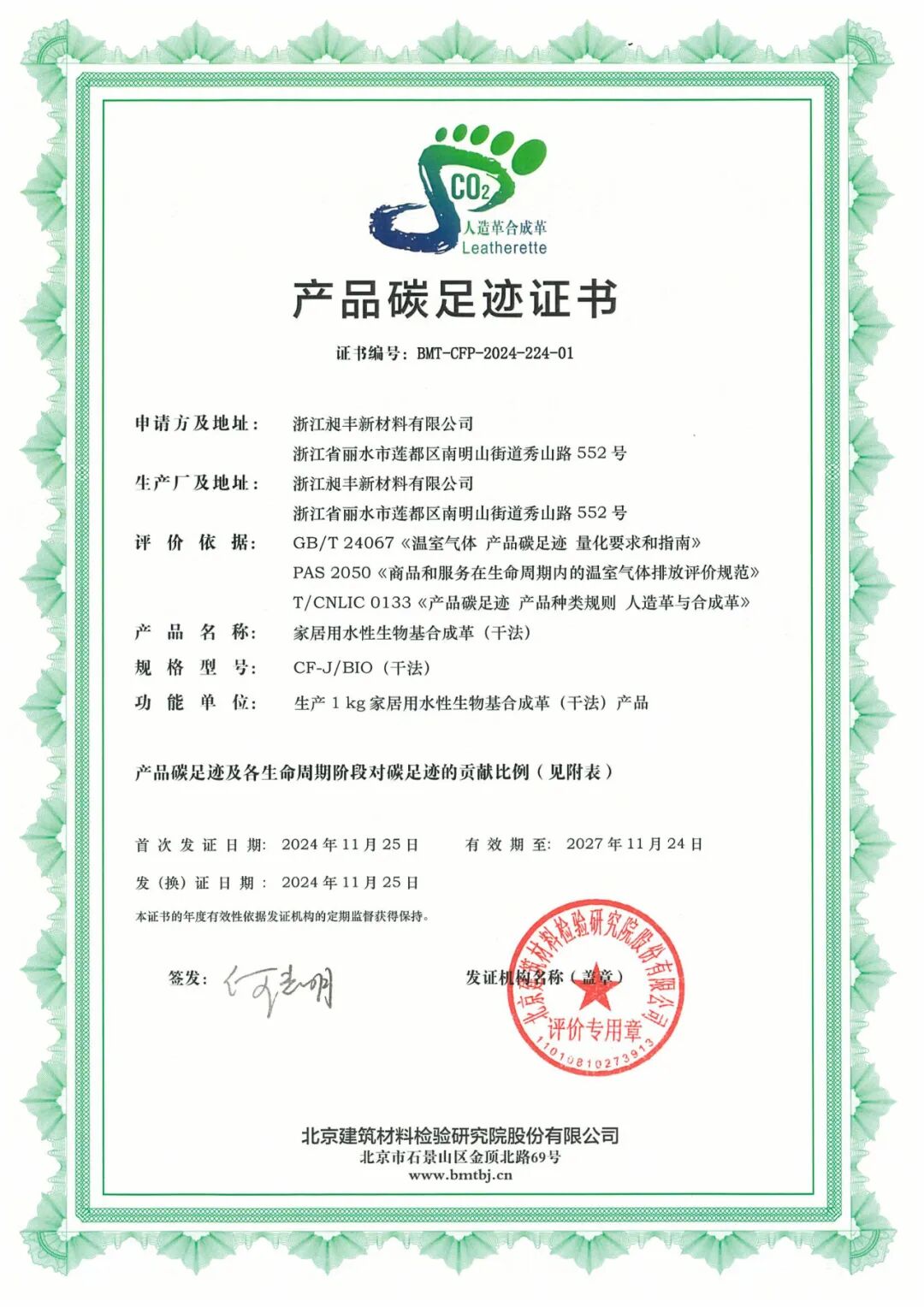
To meet growing market demand for eco-friendly products and drive healthy industry development, the China Plastics Processing Industry Association's Artificial Leather & Synthetic Leather Committee, together with the China National Light Industry Council's Furniture & Decoration Materials Testing Centre, Beijing Building Materials Testing Academy Co., Ltd., and Zhejiang Changfeng New Materials Co., Ltd. jointly initiated the development. Zhejiang Changfeng New Materials Co., Ltd., the world's first 100% pure water-based synthetic leather manufacturer, served as the lead initiator.Together, they developed the "Technical Specification for Graded Certification of Hazardous Substance Emissions from Synthetic Leather" and the "Implementation Rules for Graded Certification of Hazardous Substance Emissions from Synthetic Leather" (both filed with the CNCA).
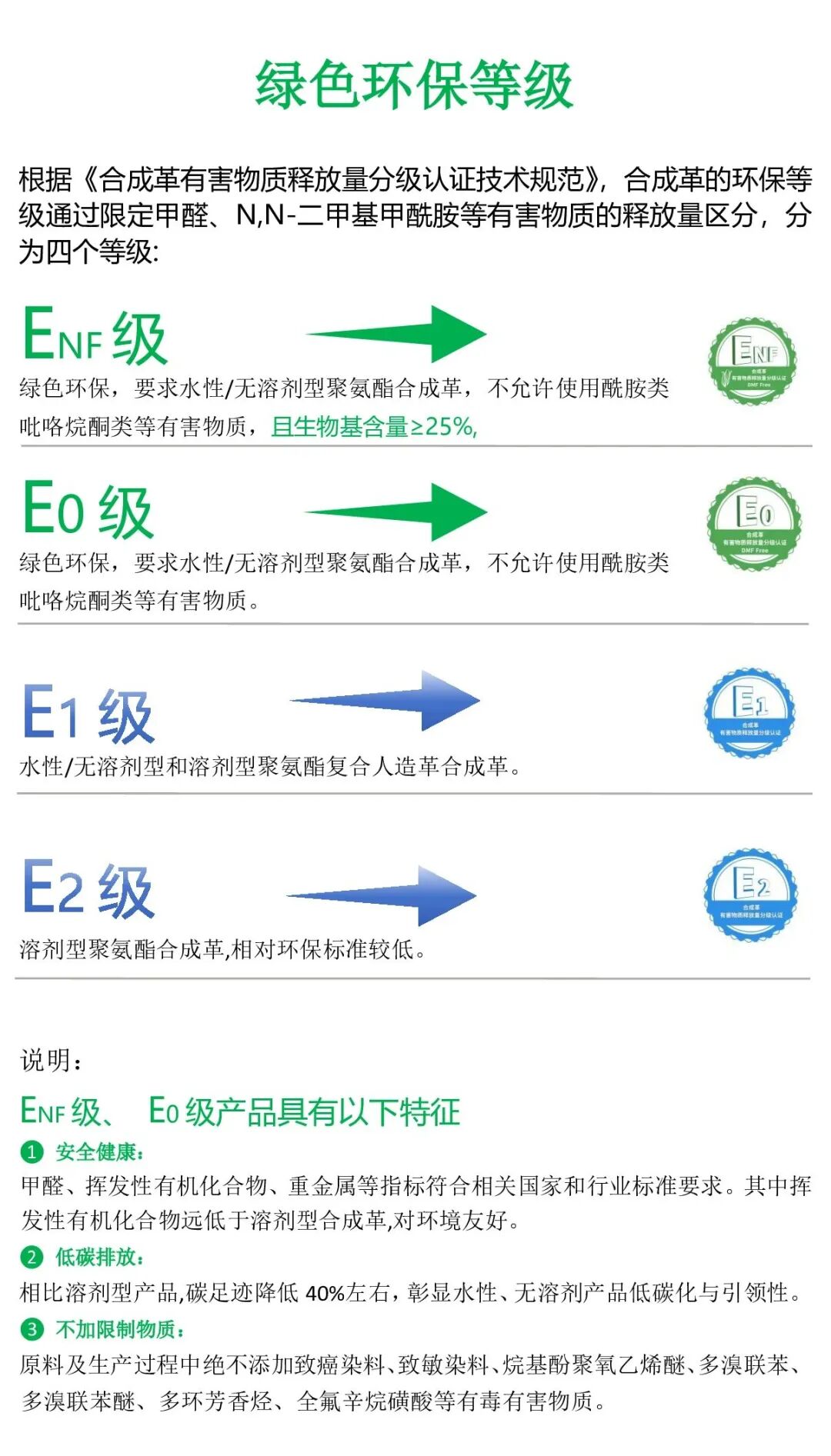
This new technical specification adopts the grading model used in the panel board industry. It provides graded certification for hazardous substance emissions from synthetic leather used in furniture and interior decoration. It applies to products with non-woven, woven or knitted fabric bases, using polyurethane resin as the primary raw material, manufactured through dry or dry-wet coating processes and downstream finishing, for use on interior walls, curtains and furniture surfaces. This initiative will strongly promote industry standardisation and application, leading synthetic leather products to new breakthroughs:
Looking ahead, leather material innovation will follow a non-toxic, green and low-carbon path. For companies across the value chain, producing and applying eco-friendly materials and achieving green transformation is not only about protecting the environment and responding to national policy. It is also the essential route to strengthening core competitiveness and succeeding in global markets.
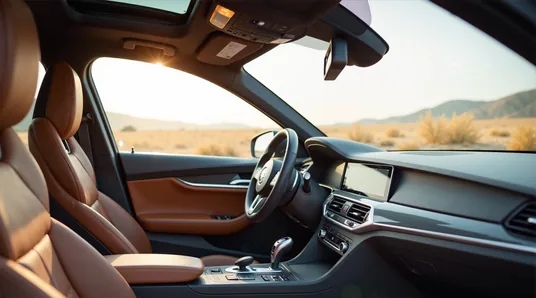
As the first 100% pure water-based synthetic leather manufacturer, Zhejiang Changfeng New Materials Co., Ltd. has long been committed to advancing the development and application of water-based synthetic leather. Its water-based leather products achieve zero solvent addition from raw materials to finished goods. They are non-toxic, odour-free, and free from formaldehyde, toluene and DMF, with ultra-low VOC emissions. They are the preferred fabric for healthy, green living spaces. These products are now widely used in furniture, automotive interiors and other sectors, exported to European and American markets, and have earned broad recognition and acclaim.
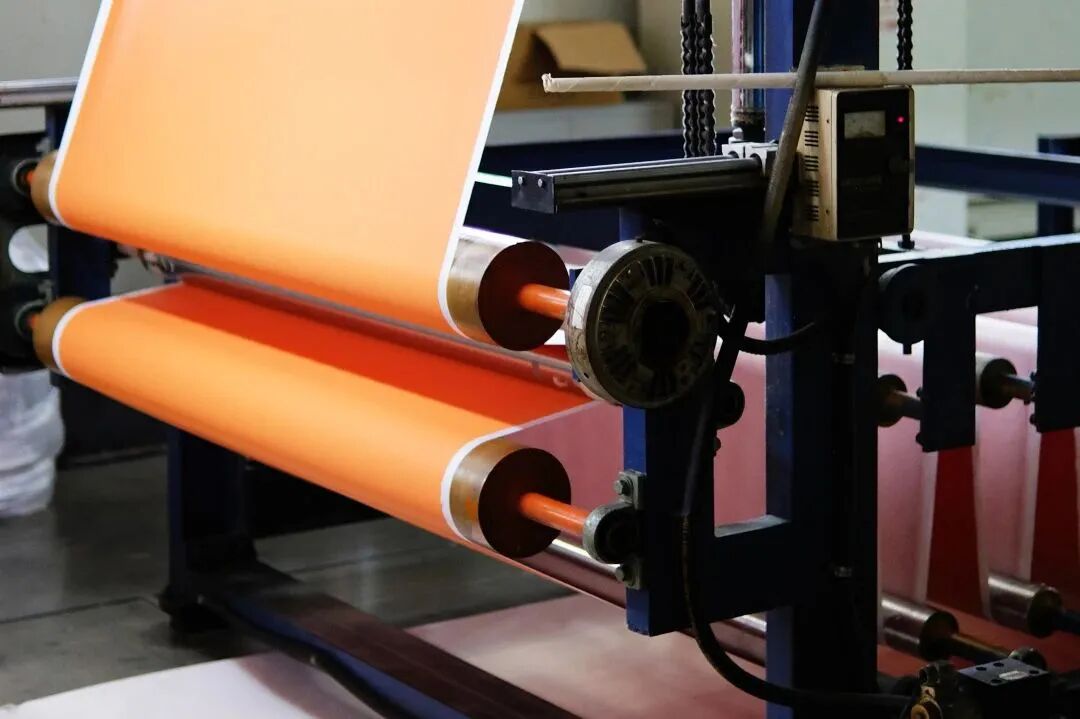
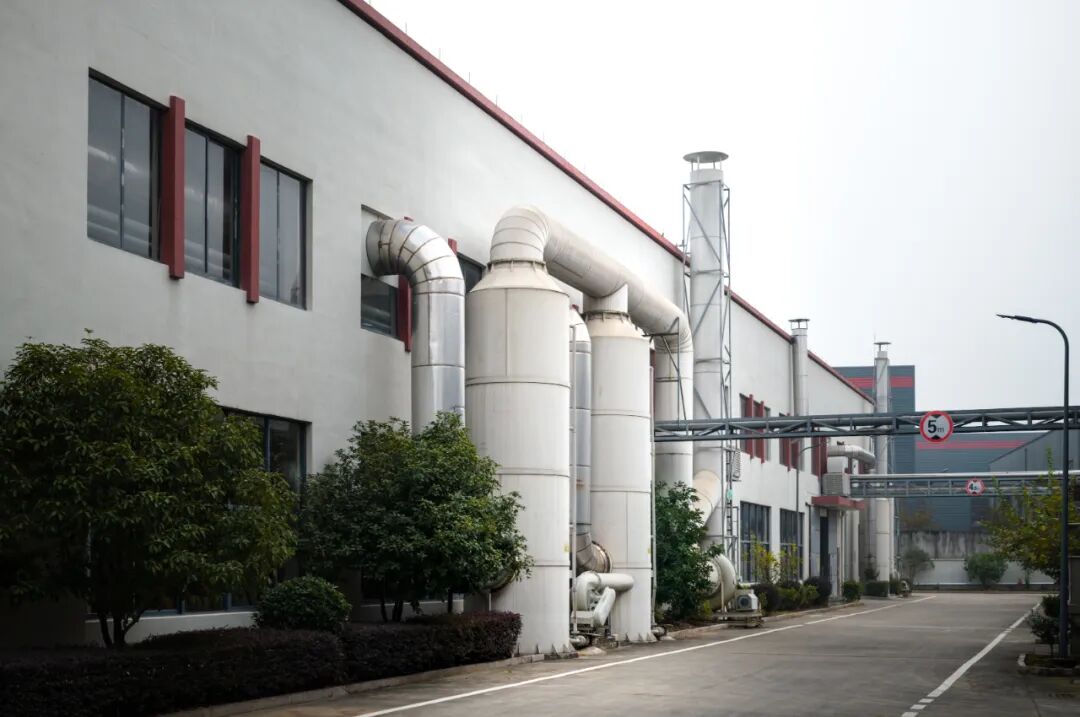
Changfeng water-based synthetic leather factory
By uniting industry forces with the China Plastics Processing Industry Association's Artificial Leather & Synthetic Leather Committee, the China National Light Industry Council's Furniture & Decoration Materials Testing Centre, and Beijing Building Materials Testing Academy Co., Ltd., Changfeng has co-developed theENF-grade water-based leather certification standard. This will not only help consumers make more informed choices when selecting synthetic leather products, but also enable China's water-based leather products to better meet global market demand for green, healthy solutions.
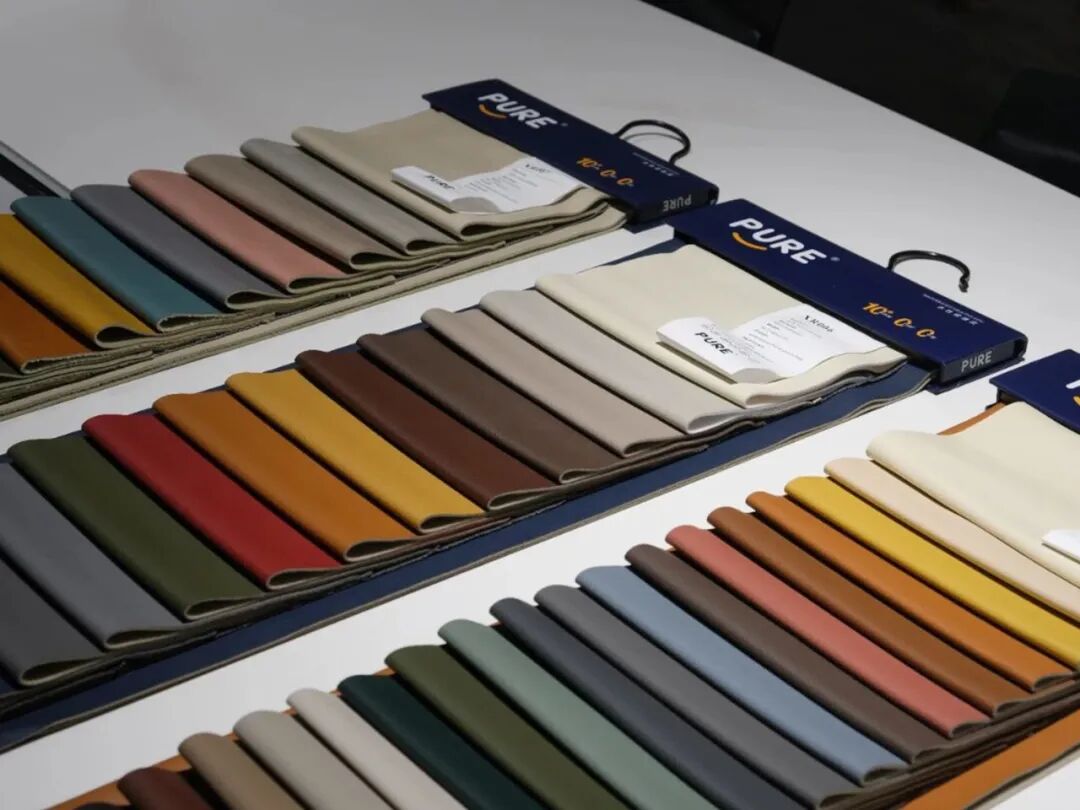
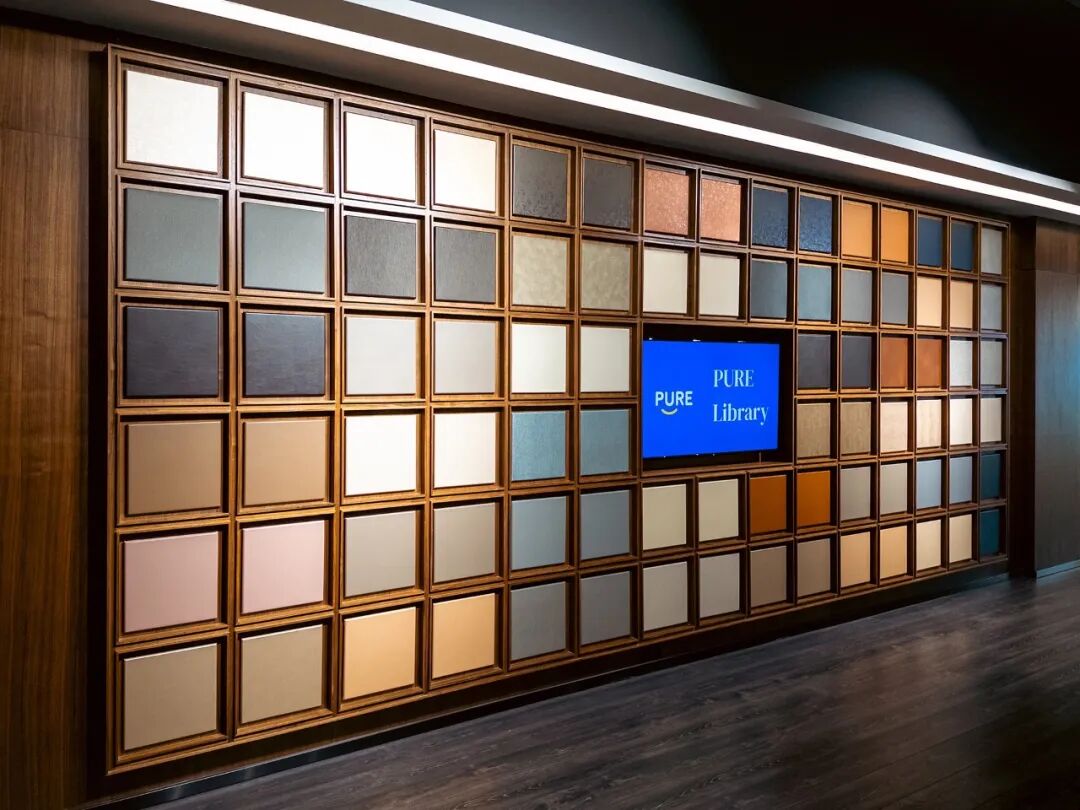
Changfeng PURE water-based synthetic leather series
In 2025, the launch conference for the industry's first graded certification standard will be held. We invite you to join us in exploring and practising new pathways for green, sustainable development, and in building a cleaner, healthier industry ecosystem!