
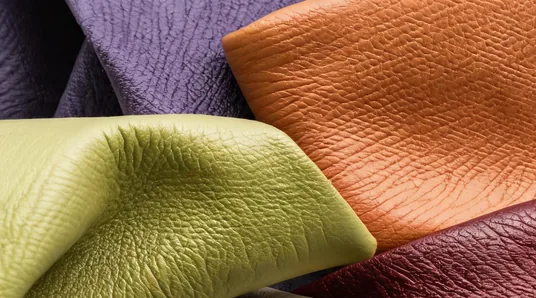


2026 Automotive Interior CMF Trends: From 'Functional Space' to 'Emotional Container



PURE®, Making Materials More Sustainable
The automotive cabin of 2026 is undergoing a quiet yet profound transformation. If you still believe that a bigger screen equals luxury, you are probably a stranger to this industry.
Audi's Design Director Massimo Frascella put it bluntly: screen size cannot rescue a chaotic information hierarchy. Simply stretching the diagonal fixes neither flawed feature prioritization nor cumbersome cockpit controls.
True evolution has never been skin-deep.
This year, automotive interior CMF — color, materials, and finishes — is collectively turning toward one shared direction: teaching technology to be gentle, and giving intelligence warmth.
Color
From Cold to Warm
PURE®
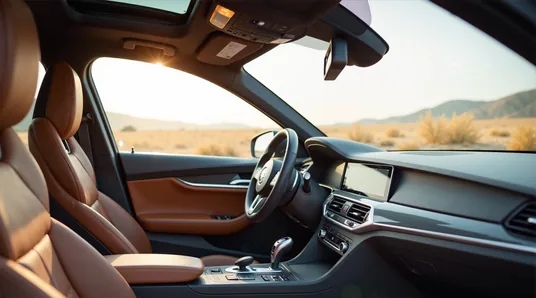
The report "Mouvance: BASF Automotive Color Trends 2025–2026," released by BASF's Coatings division, reveals a clear shift: color systems are moving away from the cool, austere tones of traditional tech styling toward warmer hues with greater emotional resonance. Red-tinted families, light purple-grays, and richly layered browns have become the new focal points. This evolution reflects a broader cultural reframing of what innovation means — contemporary innovation is being imbued with warmth and human connection.
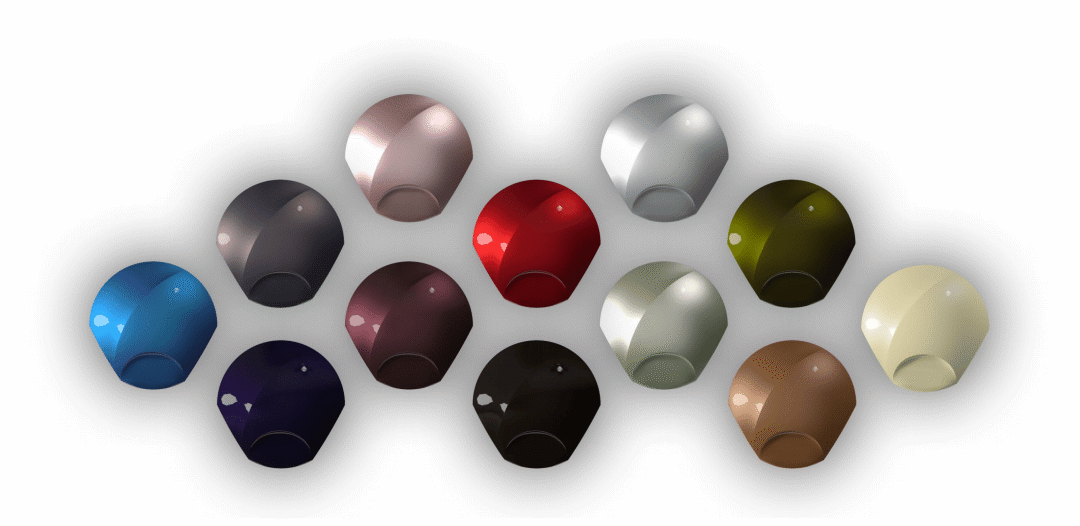
Source: Mouvance — 2025–2026 Automotive Color Trends Report

Pastels still hold a place in the spectrum, but they are gradually being displaced by richer, more saturated red-browns. Dark tone families stand out with intense yet nuanced visual effects, breaking through the limits of pure black to explore more layered expressions of depth.
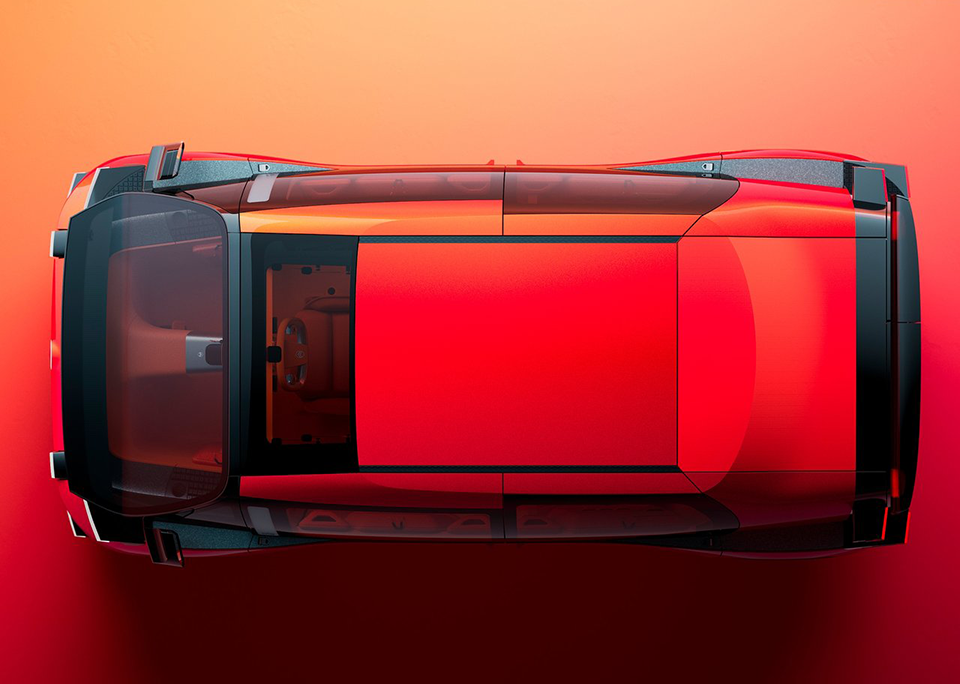
Citroën ELO

At the Brussels Motor Show, this trend took concrete form as "warm-tech humanism" — the 26-inch mega-screen of the Mazda CX-6e feels anything but cold, blending into a "living lounge" concept through customizable split-screen layouts and warm material colors. The interior of the Kia EV2, inspired by a "picnic box," creates a cozy and welcoming atmosphere.
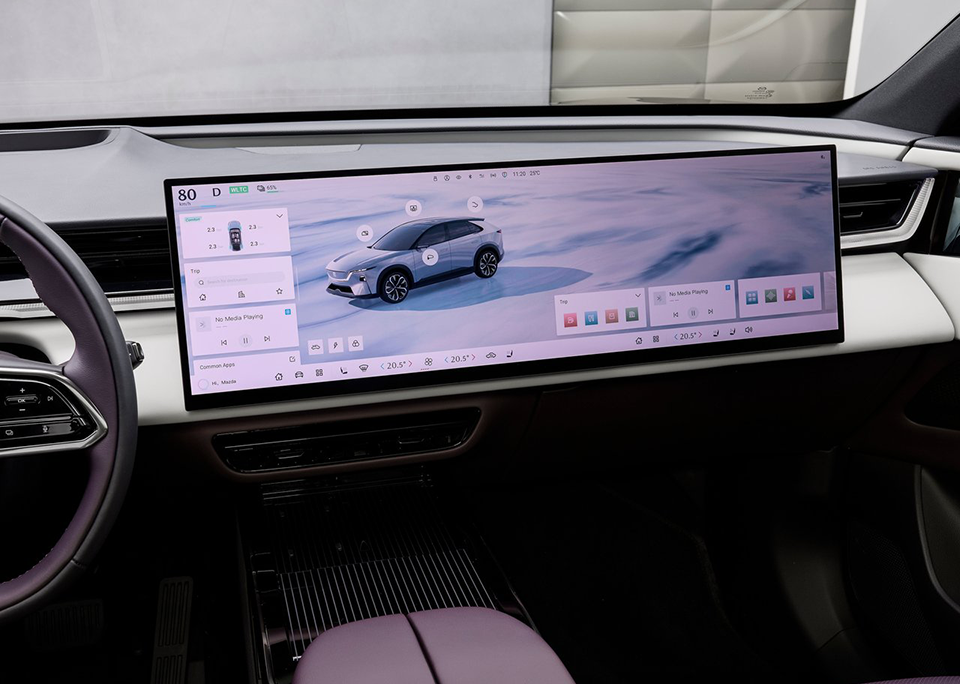
Mazda CX-6e

Color is no longer mere visual decoration — it has become a carrier of emotion.
Materials
Sustainable, With Style
PURE®
Sustainable materials are no longer a labeling gimmick — they are a serious, make-or-break proposition.
Some of BASF's color concepts already use renewable or recycled feedstocks, while processes such as multi-color effect pigments and liquid-metal textures give color visual depth and narrative potential. Kia integrated natural-fiber composites in its Vision Meta Turismo concept car, exploring recyclable and closed-loop design paths; Teknor Apex, meanwhile, has developed recycled interior material solutions with PCR content of up to 70%, confronting head-on the weaknesses of conventional recycled PP in colorability, odor, and consistency.
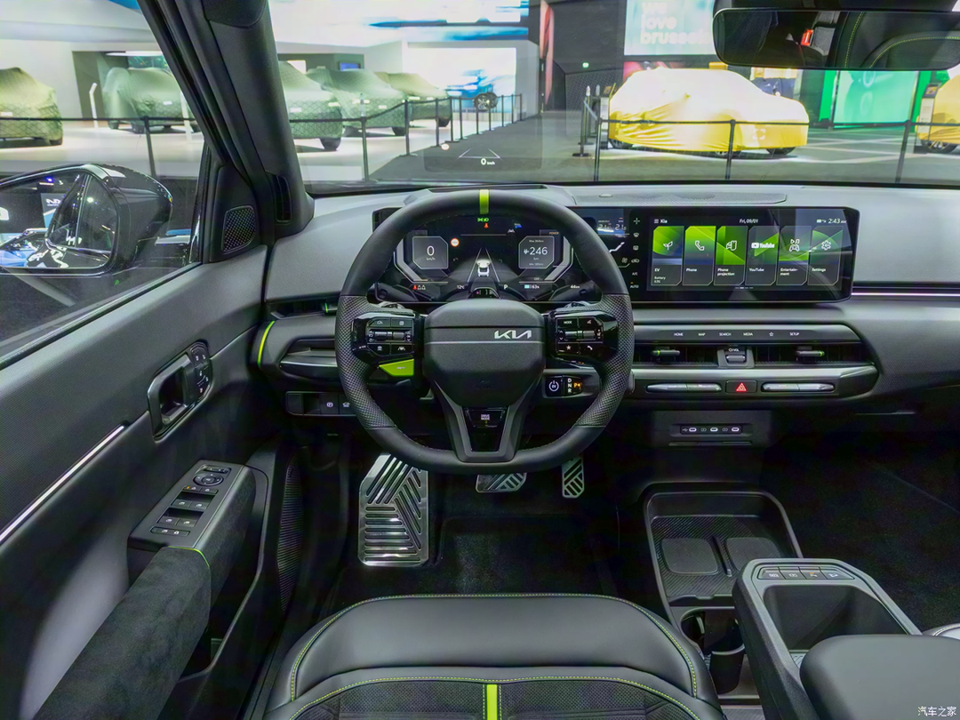
Kia EV3 GT

At this year's EAC 2026, the 4th Future Automotive Design & CMF Forum, "Sustainable Materials × Process Breakthroughs: Balancing Sustainability, Cost, and Cabin Luxury" was listed as a dedicated topic. At the same time, "Neo-Chinese Aesthetics × Tech Texture: Modernizing Intangible-Cultural-Heritage Craft and Mass-Producing Guochao CMF" has become another important direction — how traditional crafts such as lacquer art and mother-of-pearl inlay can find a foothold in mass-production vehicles is being questioned and explored again and again.
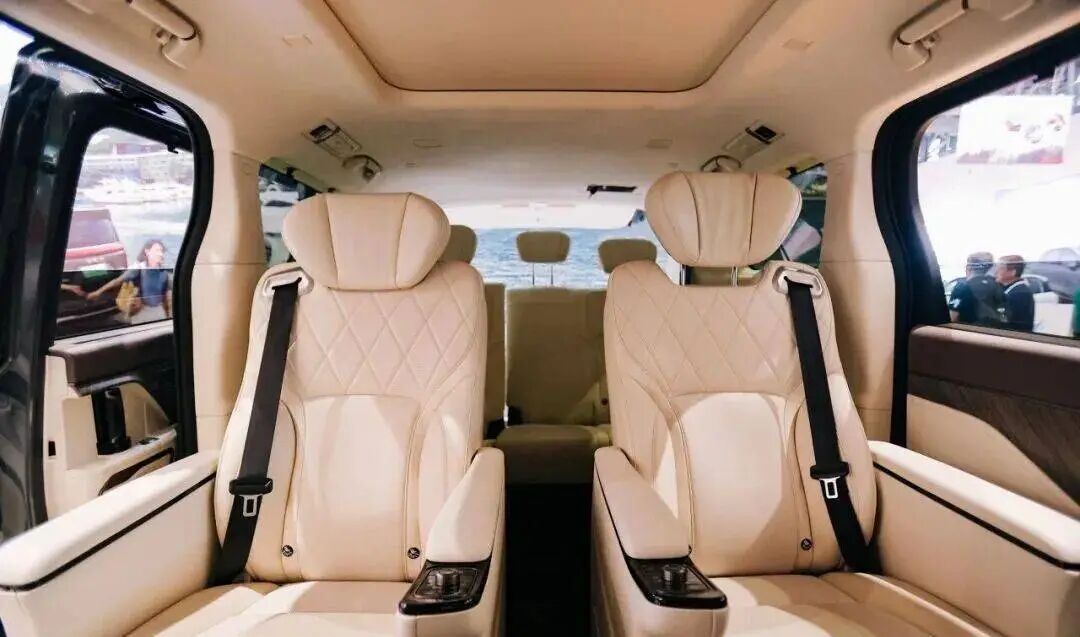
EAC 2026

The choice of materials reveals the values a car wants to express.
Finishing
A "Skin" That Senses
PURE®
The most intriguing breakthroughs of 2026 may lie just beneath the surface.
Texture is the "second language" of automotive interiors. It says nothing, yet the moment users get in, they can feel it — whether the car is premium or ordinary, warm or cold. Five interior design directions distilled at the Beijing Auto Show — Silent Purity, Rational Rhythm, Soft Embrace, Understated Luxury, and Raw Power — outline the truest trajectory of surface finishing. True luxury no longer relies on overt decorative symbols; it hides in the refinement of detail.
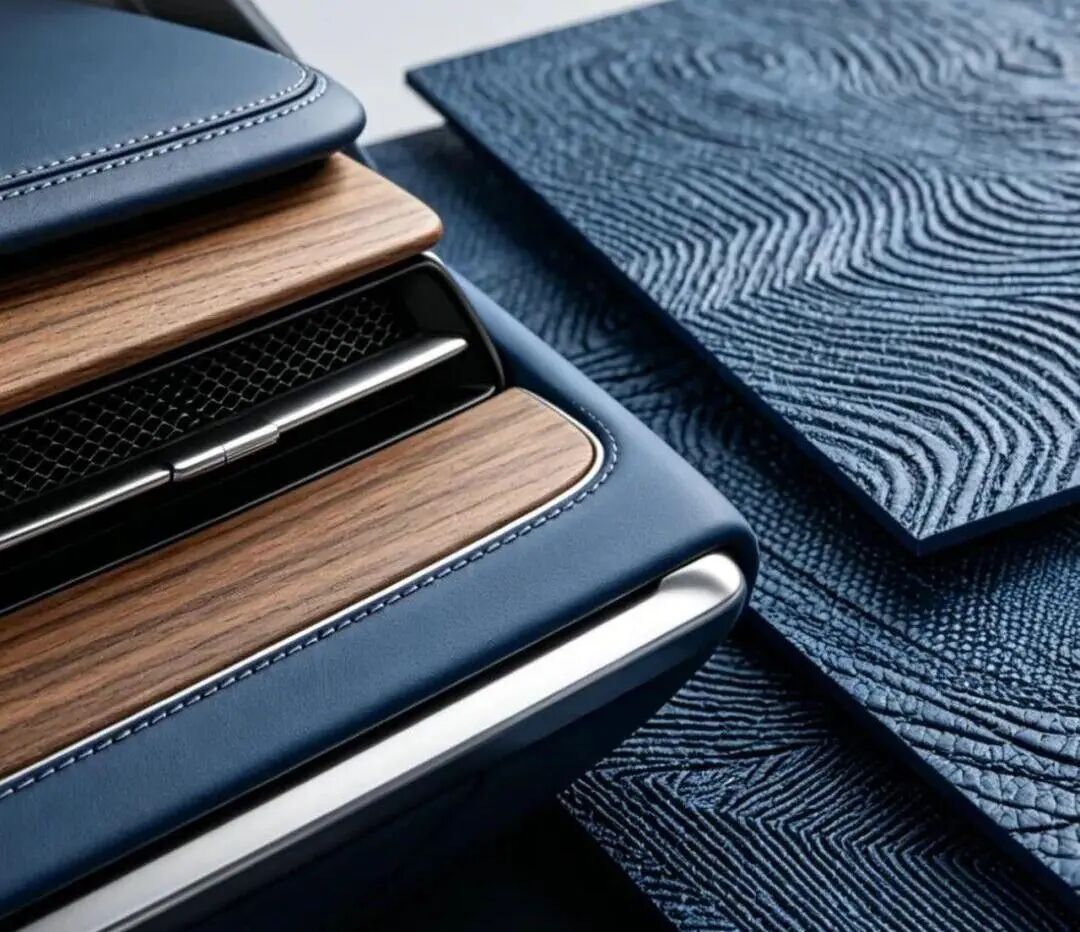
Auto China 2026 (Beijing)

But the meaning of surface finishing is being redefined. LOPEC 2026 delivered one core signal: the main battlefield of printed electronics remains the automotive cabin. Plastic trim panels that once served as decoration are being upgraded into integrated interfaces — decoration, interaction, heating, sensing, and connectivity, all embedded within films, inks, or coatings.
The wood-grain hidden display that debuted on the SAIC Volkswagen ID.ERA 9X integrates the screen into a wood trim panel — seamlessly one with the interior when off, showing HD imagery when on. The key lies in nano-microperforated film technology: micron-scale holes allow light to pass through the intact wood grain while text and graphics remain crisp and sharp. The smart surface on the second-row door panel not only supports touch operation but also renders 3D visual effects — a light tap is enough to adjust the temperature or control the seats.
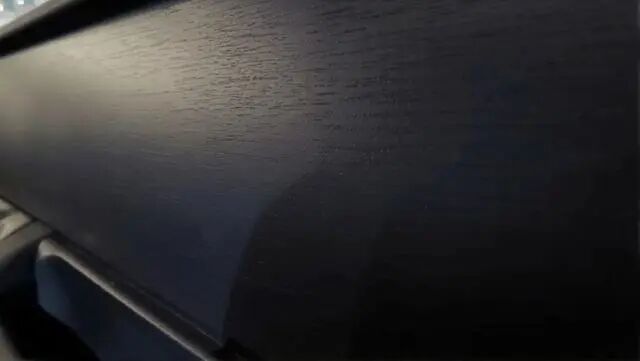
ID.ERA 9X wood-trim display

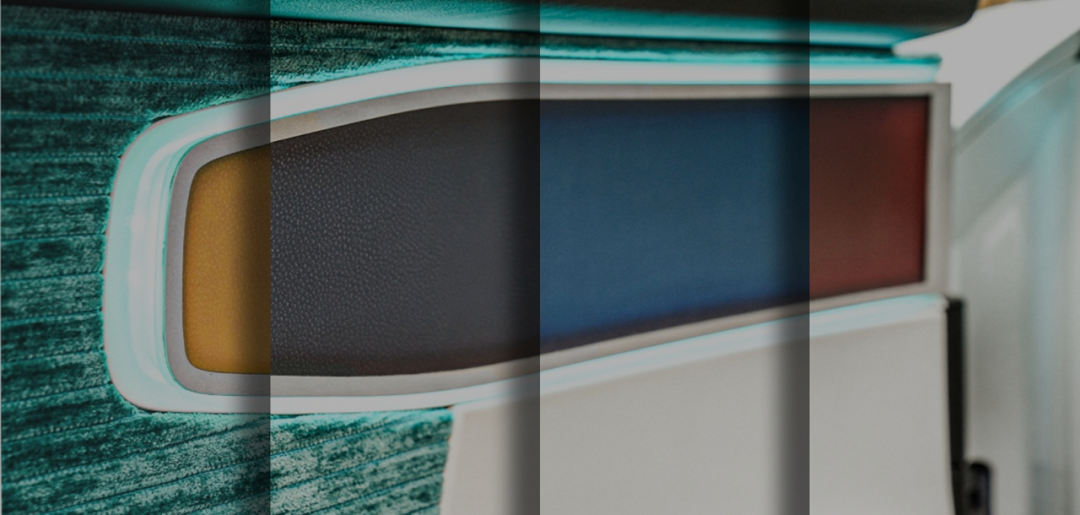
A transparent water-based polyurethane coating jointly developed by Covestro with Marquardt and E Ink allows e-paper displays to disappear behind leather-like materials. In other words, that door trim panel can be a display — while still retaining the grain and warmth of leather. The collaboration between Alcantara and TCL at CES 2026 points in the same direction — fusing flexible display technology with premium bespoke textiles, turning the car from a "means of transport" into a space with warmth.
Source: Covestro

The fusion of smart surfaces and ambient optics is using microstructures to shape light and shadow, creating immersive cabins. Special-effect inks and new film materials merge touch display with aesthetic design. The surface is no longer just a covering — it has begun to converse with people.
Lighting, too, is no longer an accessory — it has become a design material in its own right. Exquisitely designed light and shadow can reshape the sense of space inside the cabin.
Behind the Trends
From Space to Vessel
PURE®
Put these threads together, and the pattern gradually becomes clear.
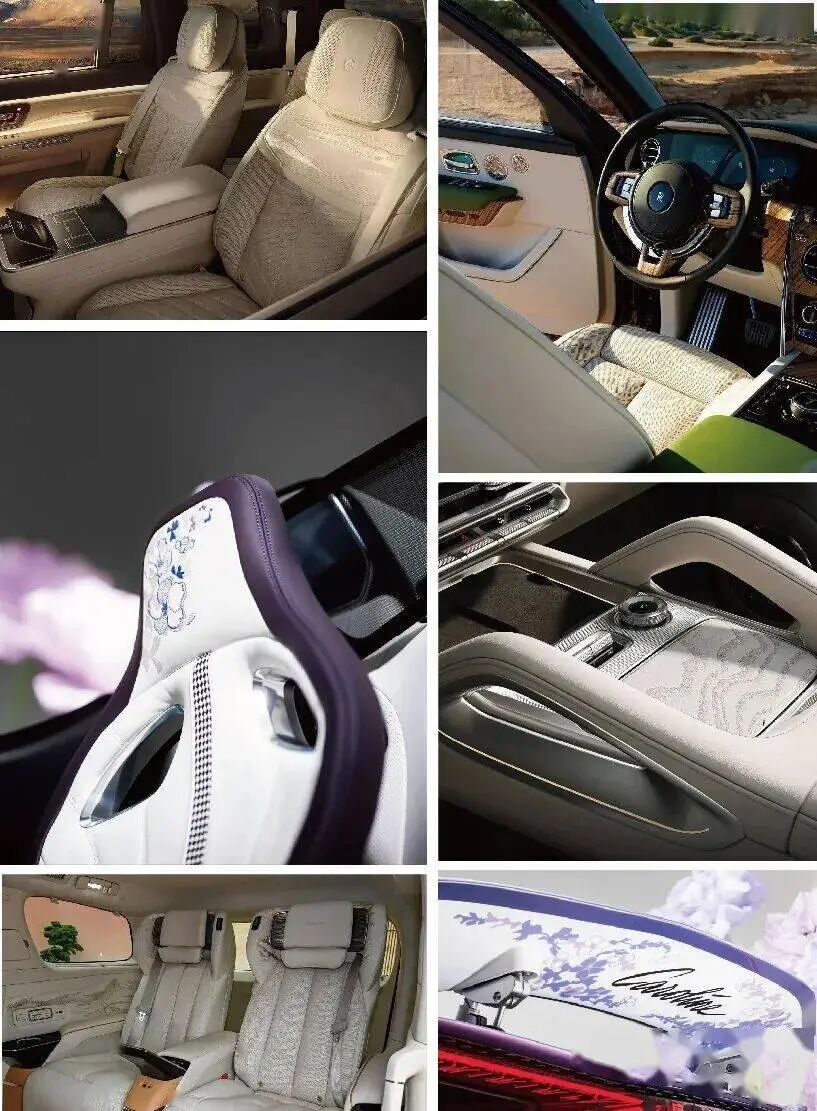
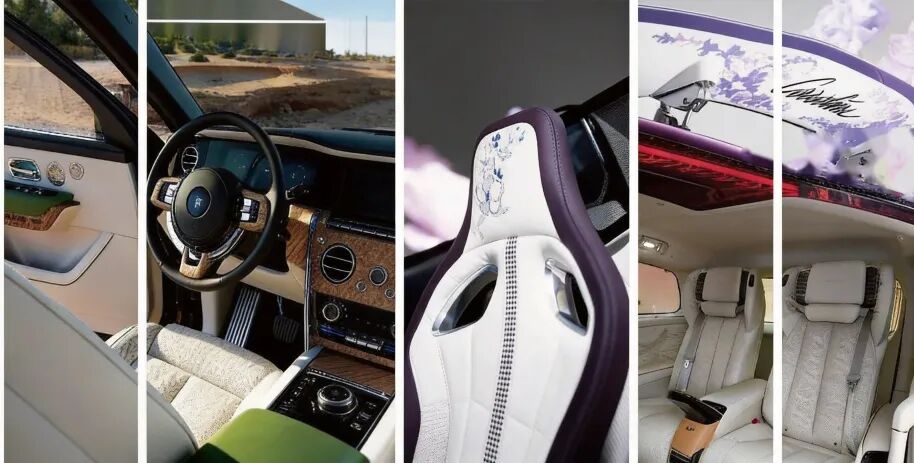
CMF trend reports for 2026 distill four core directions: community convergence, the interpenetration of digital and physical, emotion-centered design, and materials taking the lead role. In the end, they all point to one thing: the car interior is shifting from a "functional space" to an "emotional vessel."
Source: POP Trend · CMF

At the CMF Forum, Jimena Martinez of Lemonlab asked a question that cuts straight to the heart: What truly moves customers? What kind of product value makes people resonate from within? The answer may well be hidden in every CMF decision — that touch of warm red-brown, that panel of recycled fabric, that smart surface that senses your body temperature.
Some content and images in this article are sourced from the internet
Please contact us for removal if anything is inappropriate
PURE®
Making Materials More Sustainable