



2026 Consumer Electronics CMF Trends: A Return to Texture, Writing the Gentle Undertone of Technology


PURE®, Making Materials More Sustainable
The consumer electronics market in 2026 is undergoing a quiet yet profound transformation. If the past decade was a decade of feature rivalry, then today CMF — color, materials, and surface finishing — is moving from the supporting role of design to the center of the stage.Consumer demand is reshaping this industry: people no longer simply ask “what can it do?” — they are beginning to care about “how it makes me feel.”
The more powerful technology grows, the more real the fatigue becomes. As AI seeps into daily life at an unprecedented pace, consumer electronics design is shifting from clamorous tech-showing toward a restrained, warm aesthetic expression. This may well be the most essential undertone of future CMF trends.
Color Narrative
A key medium for triggering emotional resonance
PURE®
In the consumer electronics field, color has long gone beyond the primary function of decoration and evolved into a key medium that carries value propositions and sparks emotional resonance. Facing an increasingly segmented consumer market, a single color strategy can no longer satisfy plural aesthetic needs. According to the color trends report on the POP Trend·CMF website, today’s consumers are diverging into five core aesthetic factions around distinct value orientations.
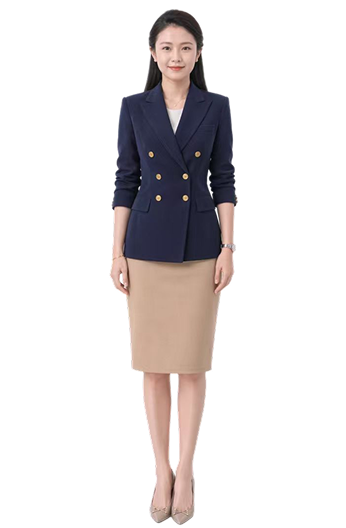
Low-Key Power — The Hardcore Specs Faction. People who focus deeply on core performance and long-lasting quality want calm, rational colors to “turn down the noise” of technology. Midnight blue leads as the dominant tone, conveying understated authority and refinement through a deep color gamut, with touches of high-saturation orange as the focal point of energy.

POP Trend: Color Directions for 3C Electronics, Spring/Summer 2027

Flowing-Light Narrative — The Tech-Healing Faction. As “digital fatigue” spreads, younger consumers want tech products to become a sanctuary for their emotions. With dawn-mist green at its core, the formula of “lowering saturation, heightening luminosity, blending in soft hues” shapes a dreamlike, light-cyber visual language that delivers a clear, breathing freshness.

POP Trend: Color Directions for 3C Electronics, Spring/Summer 2027

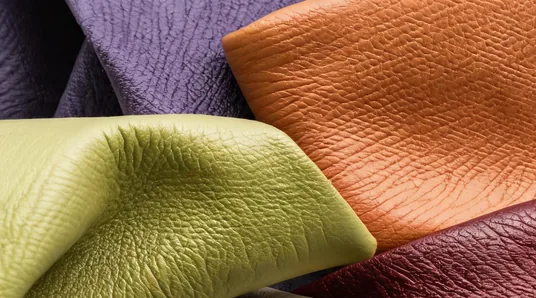
Enduring Style — The Quiet-Luxury Textures Faction. Letting go of the exhaustion of chasing trends, this group turns to lasting value proven by time. Deep coffee brown replaces cold black as the tech base tone; warm gray eases the transition; off-white and cream inject breathing space and human warmth.

POP Trend: Color Directions for 3C Electronics, Spring/Summer 2027

Beyond these three distinct color propositions, there are also those who draw inspiration from moss green and terracotta brown out of the earth, telling stories of circularity — the Nature-Symbiosis Faction — and those who see electronic devices as an extension of the self through electric purple and aurora blue — the Personality-Aesthetics Faction. The former responds to the commitment to sustainability, while the latter satisfies the unique longing of the self-pleasing economy.
The color narrative of 2026 no longer tries to reach everyone with a single voice; it learns to stay restrained amid diversity and to land with precision in a fragmented market.
Material Awakening
When sustainability becomes the default option
PURE®
Materials are becoming the most honest way for brands to talk to the world.
In 2026, the consumer electronics materials market is undergoing a structural shift from conventional plastics toward engineered, traceable, sustainability-certified polymer solutions.SABIC’s new LNP ELCRIN compound contains 75% post-consumer recycled content, becoming the first reinforced compound based on PCR carbon fiber.

SABIC launches its first carbon-fiber-reinforced PC composite material

Meanwhile, material choices are also answering people’s desire for “meaningful moments.” Consumers are increasingly unsatisfied with merely “useful products” and crave “meaningful products” — a product that knows where it came from, a brand that knows whom it exists for.From bio-based materials to skin-friendly, tactile textures, materials are no longer mere carriers of function but vessels of emotion and value.
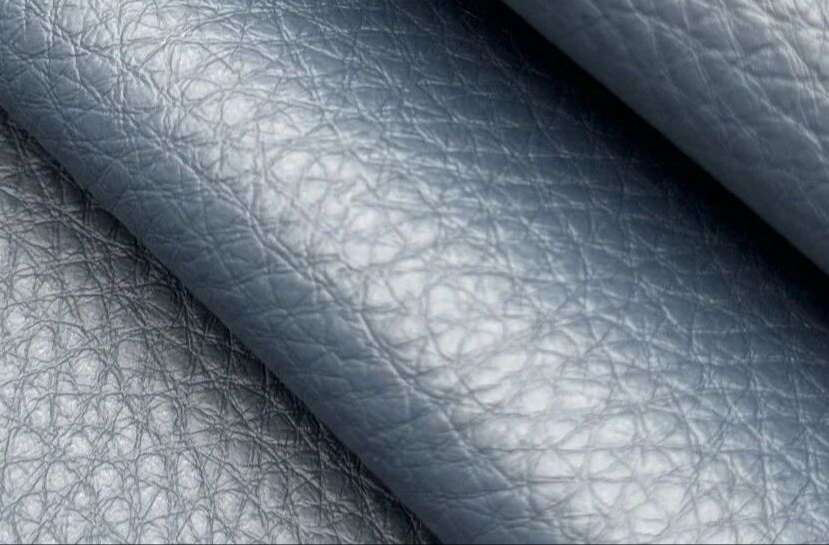
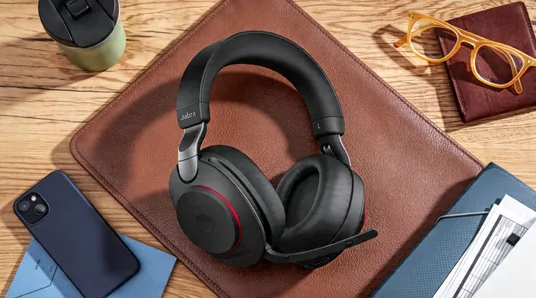
In the consumer electronics arena, earbud cases, watch straps and protective covers — accessories in daily contact with the skin — would be a fatal wound to any brand if they gave off pungent odors. As the world’s first enterprise to achieve mass production of all-water-based synthetic leather, PURE®ChangfengNew Materials’ 0 DMF, 0 formaldehyde and non-irritating-odor properties precisely match the extreme requirements of consumer electronics for material safety.Brands that treat sustainability as a marketing slogan are losing consumers’ trust, while those that have internalized it into their DNA are building competitive moats that are hard to replicate.

PURE®ChangfengNew Materials supplies materials for Xiaomi smartphones

Craft Evolution
Refinement achieved through restraint
PURE®
If color is the expression and materials the skeleton, then craft is the skin — it decides the very first feeling when a product is touched.
In 2026, consumer electronics brands are seeing growing demand for ultra-matte, soft-touch surface finishing. PPG’s excimer UV coating won the 2026 Ringier Technology Innovation Award on the strength of this trend.

PPG Ultra-Skin-Feel & Ultra-Wear-Resistant Water-based Excimer Coating

Wearable devices may be the sample closest to ordinary people in this material revolution. According to research reports from IDC, Counterpoint and the wearable supply chain, by 2026 fluororubber and modified TPE-SiTPV in soft parts are accelerating their replacement of ordinary silicone — resisting aging and stickiness, and keeping the touch dry and comfortable even when the wrist sweats. These subtle improvements are exactly the most honest returns of material upgrades. Recycled nylon and bio-based TPU, meanwhile, are growing rapidly driven by the EU’s ESPR regulation, at an annual rate above 30% — sustainability is moving from a marketing story to a business bottom line.

AI-generated watch concept image

And looking further ahead, watch straps will evolve from mere wearing accessories into sensing carriers — antibacterial materials and microcapsule self-healing polymers have entered the small-batch validation stage. The future strap will not only feel comfortable to wear but will also actively protect you.Beyond wear experience, materials must also match the biocompatibility standards required for health monitoring. This is no longer a question of process options — it is a compulsory question about the soul of a product.
In addition, chip-level CMF processes are becoming a reality — Shenzhen company “Moore Spectrum” has opened up patent licensing for photonic-crystal structural color technology, which needs no pigments or coatings and renders color purely through nanoscale microstructures on the material surface.

Fabrication routes of photonic crystals and a diagram of their multi-field applications

The direction of craft evolution is to let the traces of technology recede into the background. Concealed technology and a light sense of tech are becoming the design mainstream of smart devices — letting electronic products shed their hard, cold feel and return to the comfort and naturalness that tools should have. Multi-stage color-differential panel technology delivers a seamless multi-tone exterior, bidding farewell to patchwork and joints for the ultimate integrated aesthetic. Consumers may ignore advertising, but they cannot ignore a material that makes them stop and reach out to touch it.

Some content, materials, and images in this article are sourced from the internet
If anything is inappropriate, please contact us to have it removed.
PURE®
Making Materials More Sustainable