
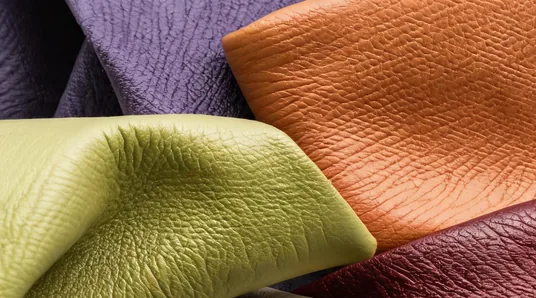


Major Announcement | The 2025 China Synthetic Leather Eco-Environmental Certification Standard Launch Event Is About to Begin!


10 July 2025
China Plastics Processing Industry Association - Artificial Leather & Synthetic Leather Committee
will join hands with
ChangfengNew Materials, with nearly 20 years of expertise in 100% water-based PU synthetic leather
to hostInnovation for a Shared Future
2025 China Synthetic Leather Eco-Environmental Grading Certification Standard Launch
From product manufacturing to standard leadership
Driving sustainable value creation in the synthetic leather industry
Rewriting global competition rules with eco-friendly technology

For decades, the search for leather materials that combine environmental performance, high physical properties and functionality has driven continuous innovation. Nitrocellulose coated fabrics, first developed in the early 20th century, marked the beginning of synthetic leather. In 1931, the industrial production of polyethylene and the emergence of PVC lamination processes enabled PVC synthetic leather to be mass-produced and widely adopted across industries.
In the 1950s and 1960s, PU synthetic leather achieved major technological breakthroughs. DuPont in the US developed PU synthetic leather with a non-woven synthetic fibre base, while Japan's Kuraray introduced a two-layer structure without an intermediate fabric. These innovations greatly accelerated the development of PU synthetic leather. Since then, the industry has progressed rapidly in quality, variety and output, with performance increasingly approaching or even surpassing natural leather. Product diversification, functionality, fashion appeal and ecological sustainability have become the defining trends of the PU synthetic leather sector.
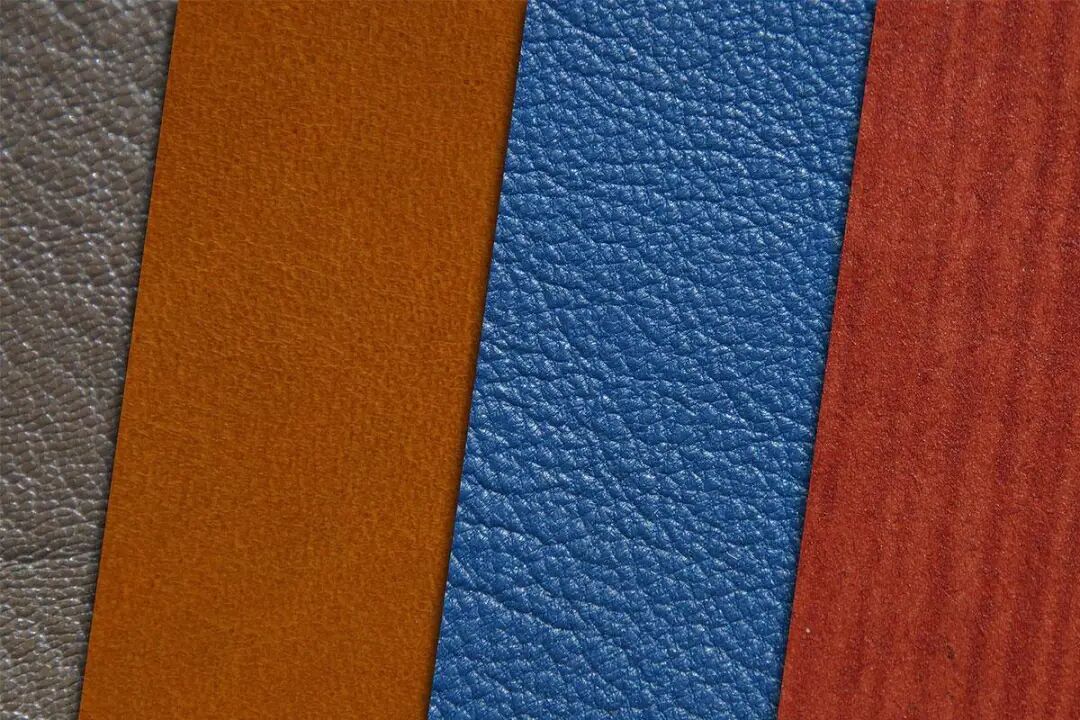
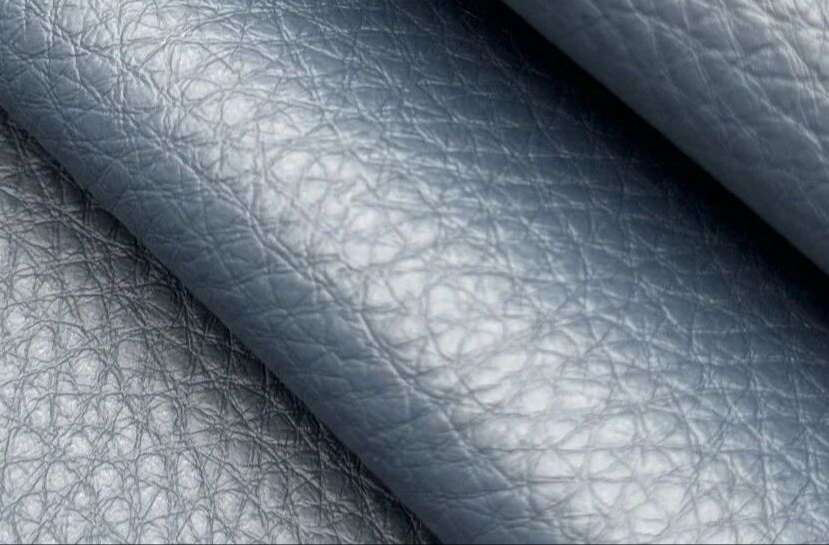
PU synthetic leather
However, most synthetic leather manufacturers in China still rely on solvent-based processes, discharging over 200,000 tonnes of volatile organic compounds and 8 million tonnes of wastewater annually, causing severe long-term pollution. Under increasingly stringent environmental regulations at home and abroad, solvent-based PU synthetic leather has become outdated. Water-based and bio-based synthetic leather, with their lower carbon and ecological advantages, are steadily gaining market share. Green and premium development will define the industry's core trajectory, securing a competitive position in the global low-carbon economy.
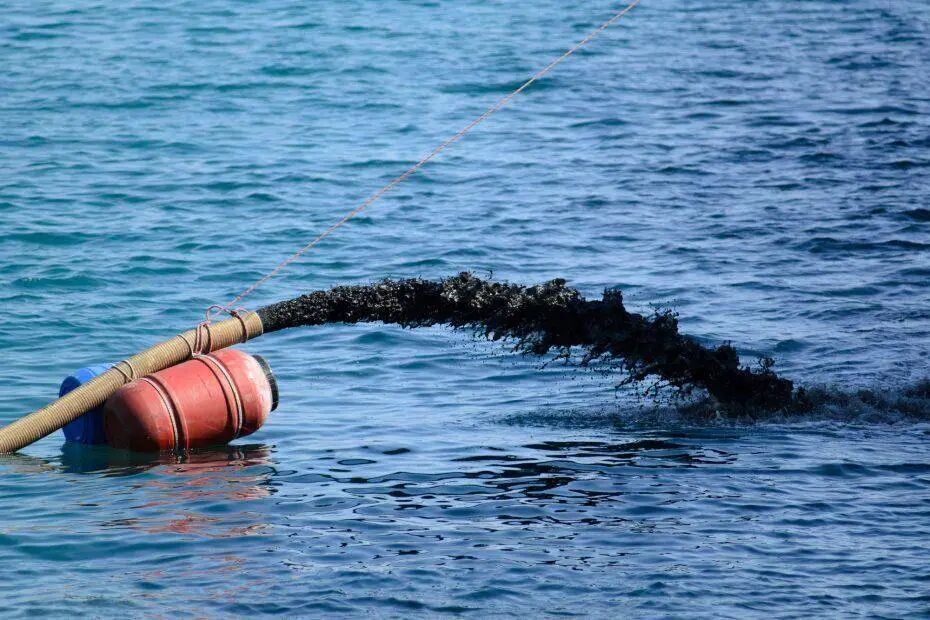
Traditional solvent-based leather manufacturing causes severe pollution

After decades of technological evolution and environmental transformation - from PVC and PU leather to water-based and bio-based alternatives - the industry has long faced a critical bottleneck: the absence of unified standards. The market is flooded with eco-friendly synthetic leather of inconsistent quality, including misleading "green" products that undermine consumer trust and make it difficult for buyers to identify materials that genuinely meet their sustainability requirements.
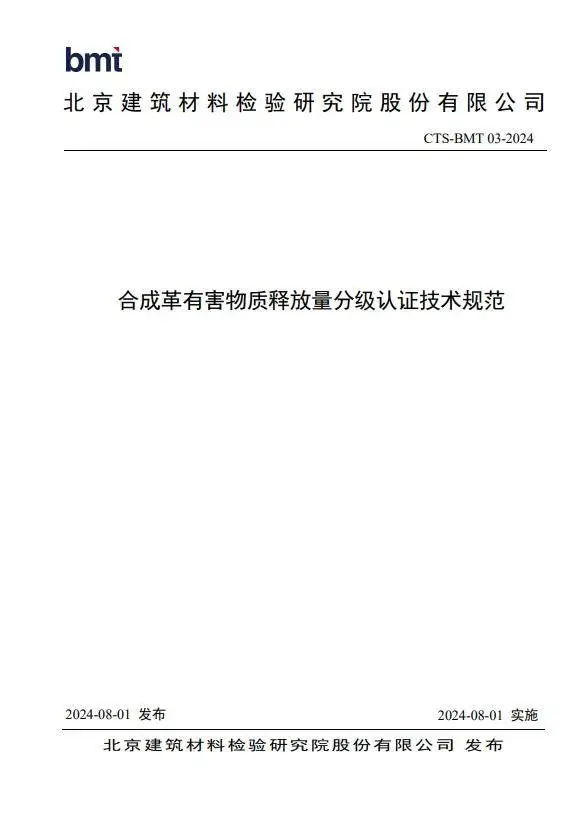
To accelerate standard implementation and drive the industry's green transition, ChangfengNew Materials - the world's first 100% water-based PU synthetic leather manufacturer - will host the "Innovation for a Shared Future | 2025 China Synthetic Leather Eco-Environmental Grading Certification Standard Launch" on 10 July 2025. Together with the China Plastics Processing Industry Association - Artificial Leather & Synthetic Leather Committee, Huafon Group, Beijing Building Materials Testing Academy Co., Ltd., the China National Light Industry Council Furniture & Decoration Materials Testing Centre, and 77° Global Home Furnishing Media, the event will officially release the "Technical Specification for Grading Certification of Hazardous Substance Emissions from Synthetic Leather" and the "Implementation Rules for Grading Certification of Hazardous Substance Emissions from Synthetic Leather" (both filed with the National Certification and Accreditation Administration).
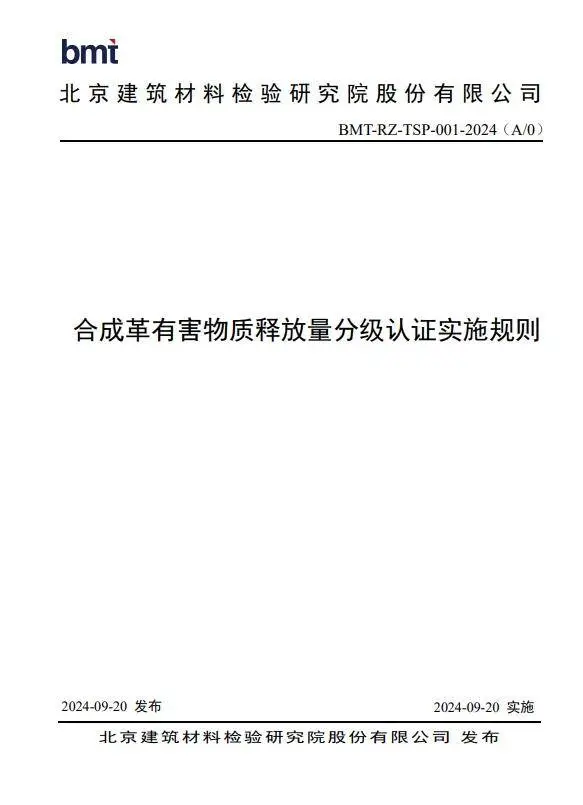
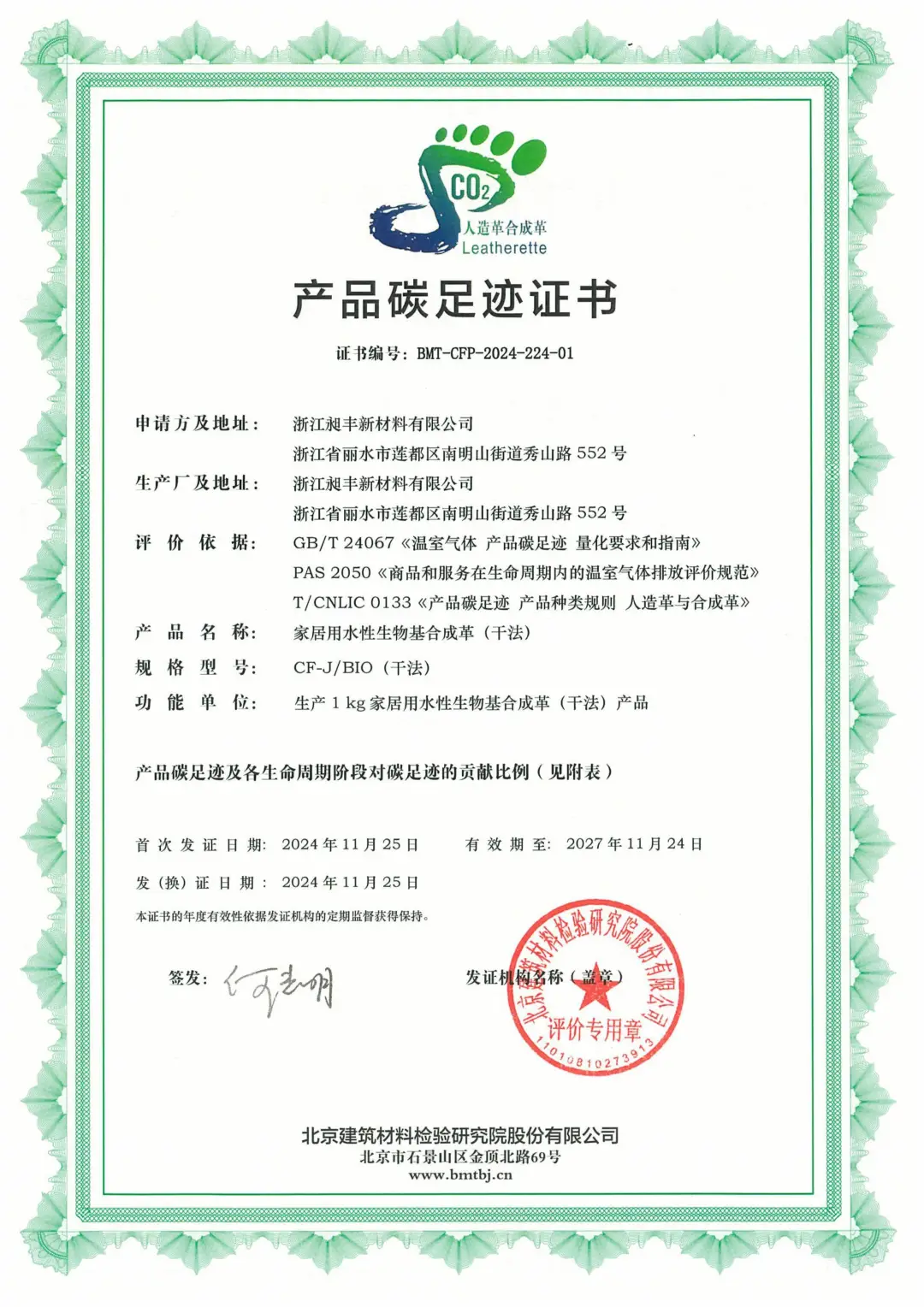
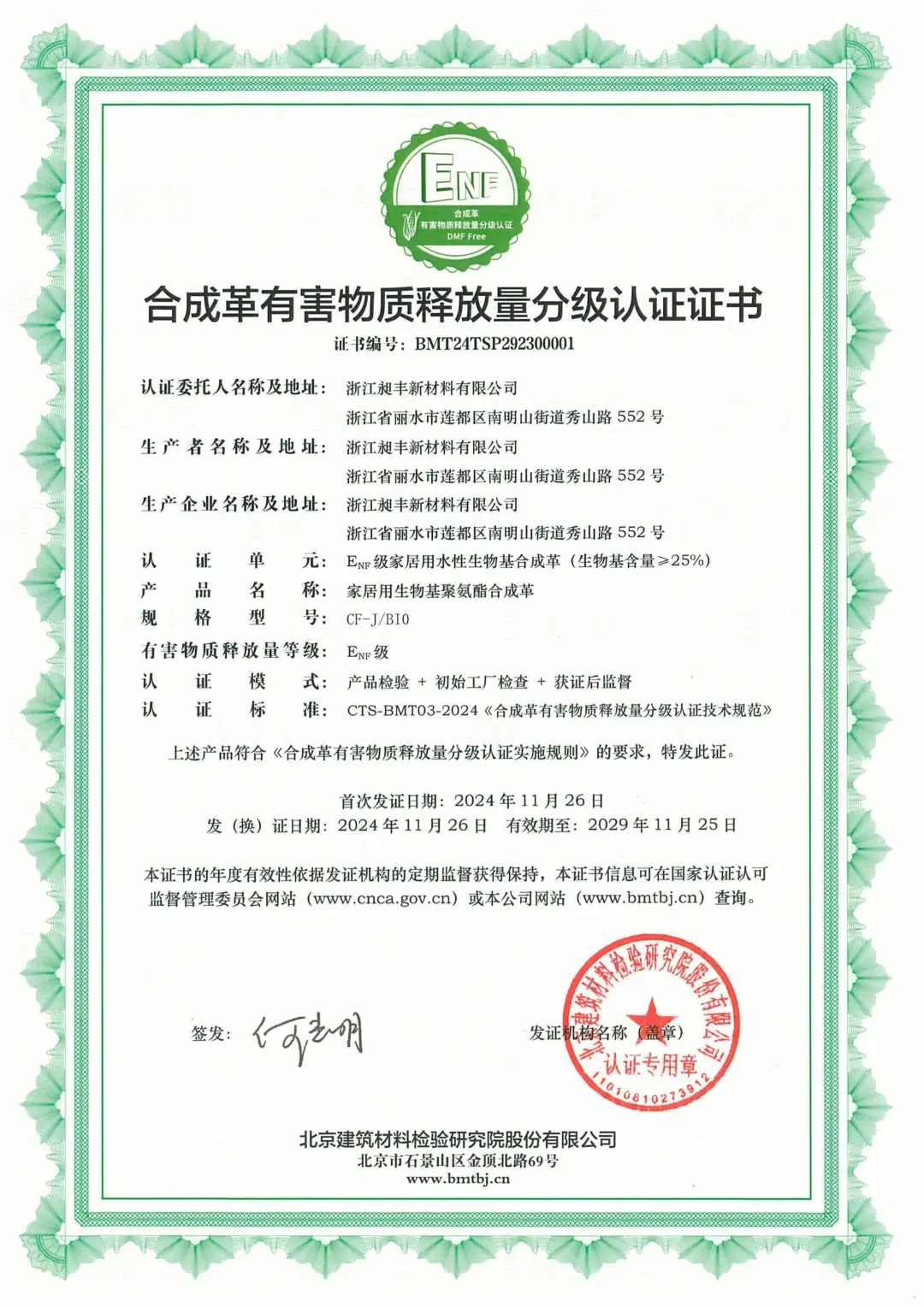

From the early functional replacement of PVC/PU to the clean production of water-based synthetic leather and the sustainable revolution of bio-based materials, the industry is responding to market demand through material innovation. As a pioneer in the synthetic leather sector, Changfeng began developing water-based leather in 2007 and achieved full-scale production of 100% water-based PU synthetic leather in 2014. From raw materials to finished products, zero solvents are added - non-toxic, odour-free, free from formaldehyde, toluene and DMF, with ultra-low VOC emissions. Our products are exported to markets across Europe and the US.
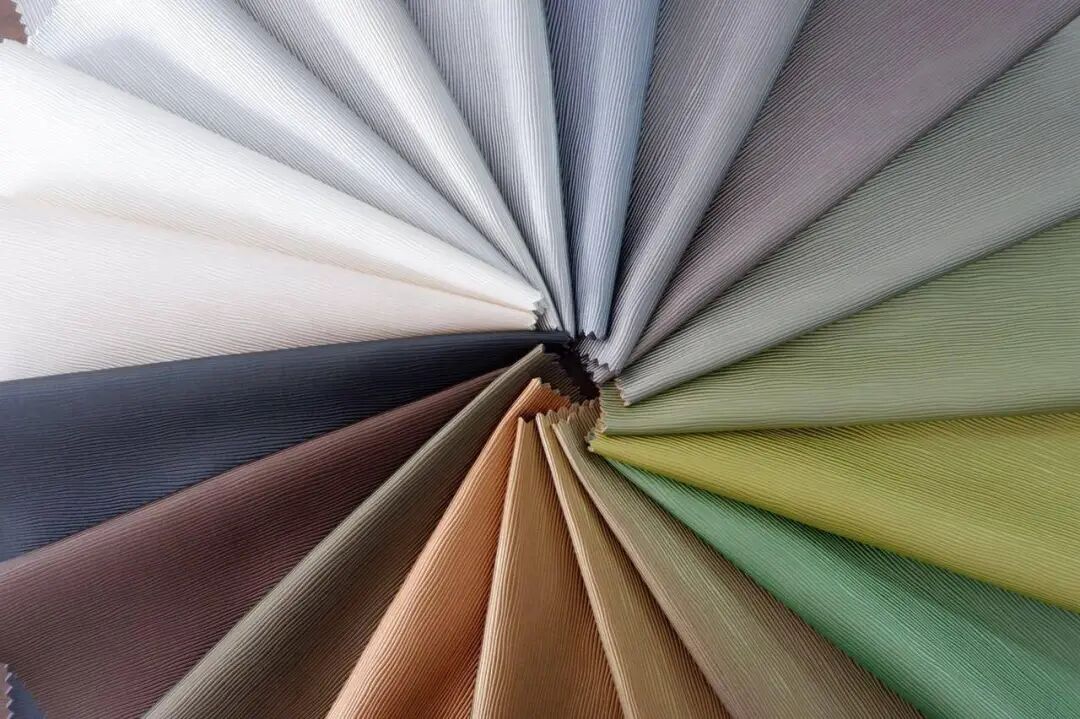
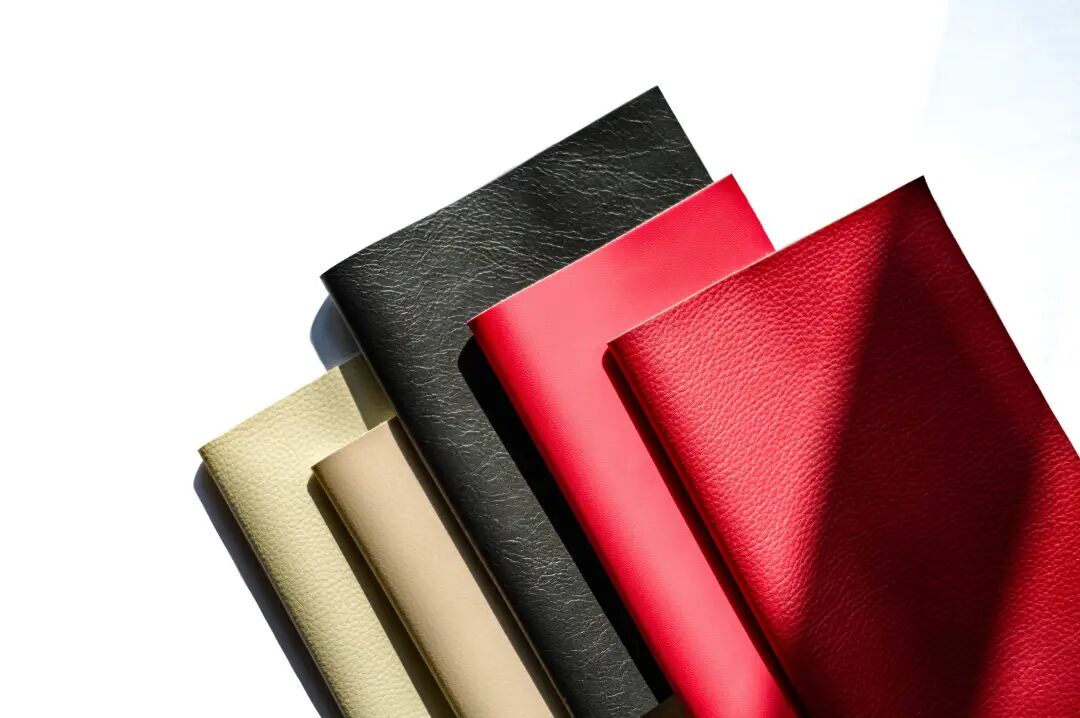
Changfeng PURE water-based synthetic leather series
Changfeng products are certified with OEKO-TEX® for ecological safety, GRS for global recycled content, and SEDEX for social responsibility. They comply with EU REACH and ZDHC standards, strengthening our customers' export competitiveness. Our bio-based synthetic leather has achieved industry-first mass production, certified by the US Department of Agriculture (USDA), with bio-based content ranging from 25% to 80%. The material is odour-free, soft, colourfast, durable and easy to maintain - delivering both practical value and environmental stewardship.

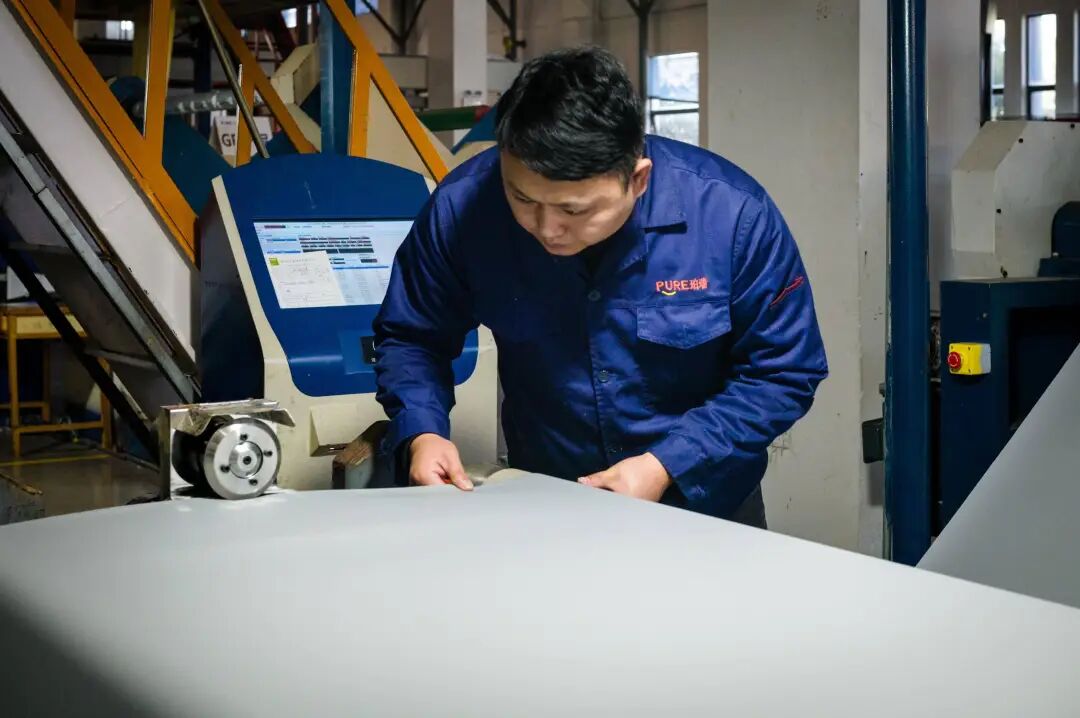
By establishing the eco-environmental grading certification standard for synthetic leather, Changfeng is setting a new environmental benchmark for the industry, addressing market disorder, and driving the sector's upgrade towards greener, higher-value production. Through technological innovation and standard-setting leadership, we are helping China's synthetic leather industry strengthen its international voice and move from following to leading in the global low-carbon race.
10 July 2025
Innovation for a Shared Future | 2025 China Synthetic Leather Eco-Environmental Grading Certification Standard Launch
will be held at W Guangzhou, Zhujiang New Town, Guangzhou, China
We look forward to having you join us
to witness the transformation and upgrade of the synthetic leather industry!