
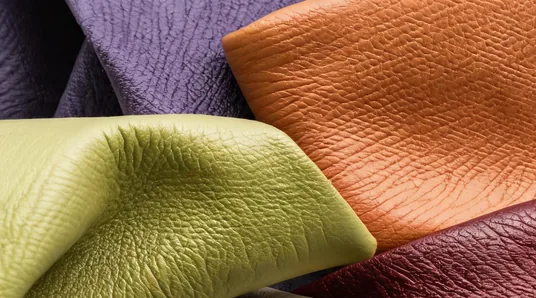


Water-based PU leather: advantages over traditional synthetic leather?


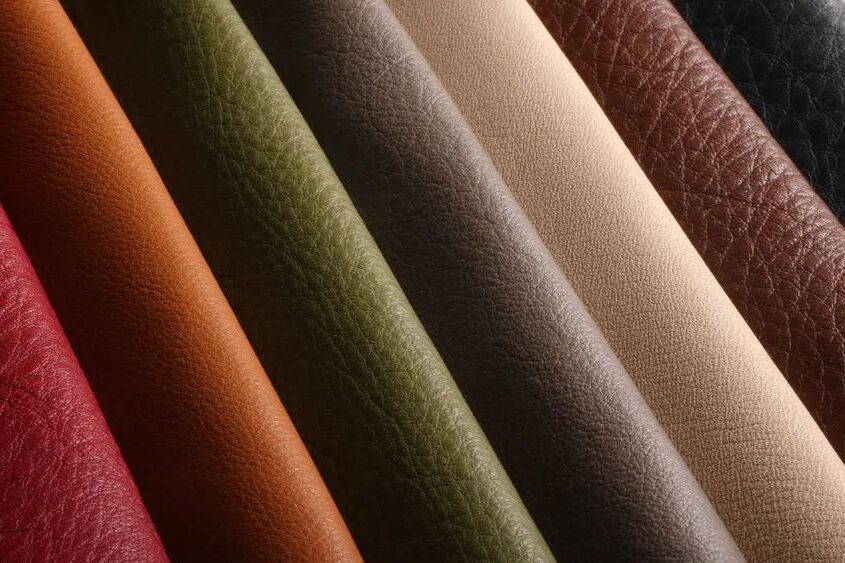
Synthetic leather was originally developed as a substitute for natural leather, addressing raw material shortages and environmental pollution in leather production. Today, thanks to its outstanding performance, synthetic leather is gradually replacing natural leather across numerous applications.
01
Traditional synthetic leather manufacturing is largely built on solvent-based polyurethane resin systems, relying heavily on solvents such as toluene, xylene, and dimethylformamide (DMF). The extensive use of organic solvents inevitably leads to their release into the environment, causing damage to nature and ecosystems.
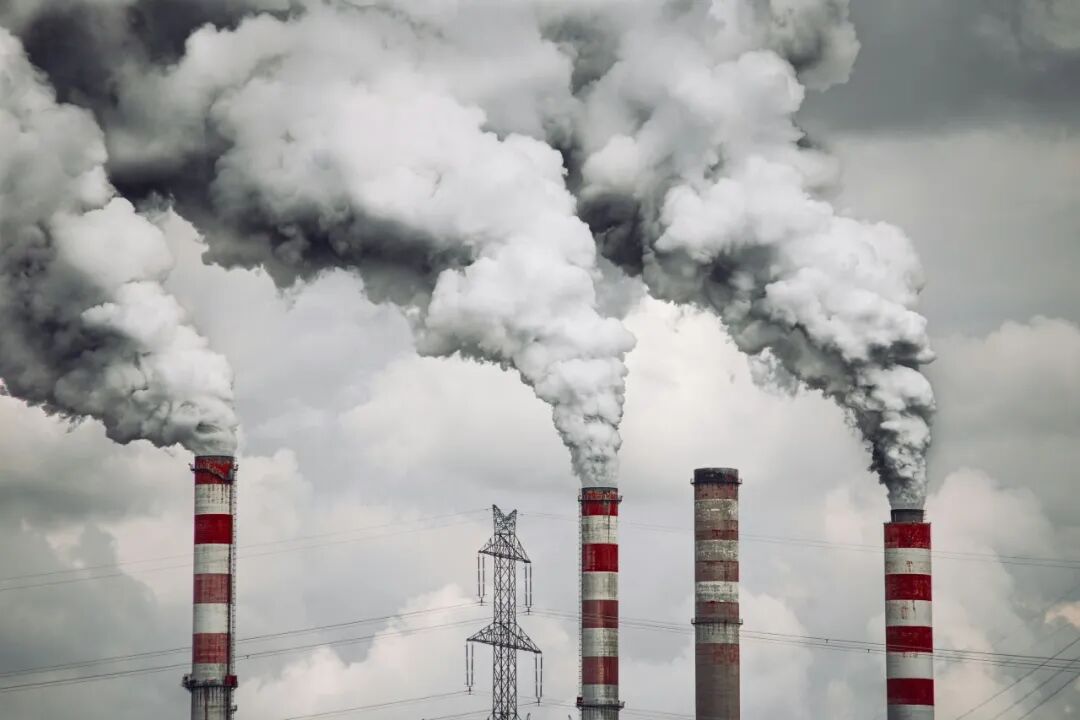
As industrialisation advances, environmental pollution is drawing increasing attention
Since the turn of the 21st century, the environmental impact of large-scale solvent-based polyurethane use has become increasingly evident. Wastewater and exhaust gases from traditional synthetic leather production contain multiple toxic and hazardous substances, posing significant threats to ecosystems and human health. Workers in tanneries, exposed over long periods to pollutants from evaporating organic solvents, also face a higher risk of cancer than the general population.
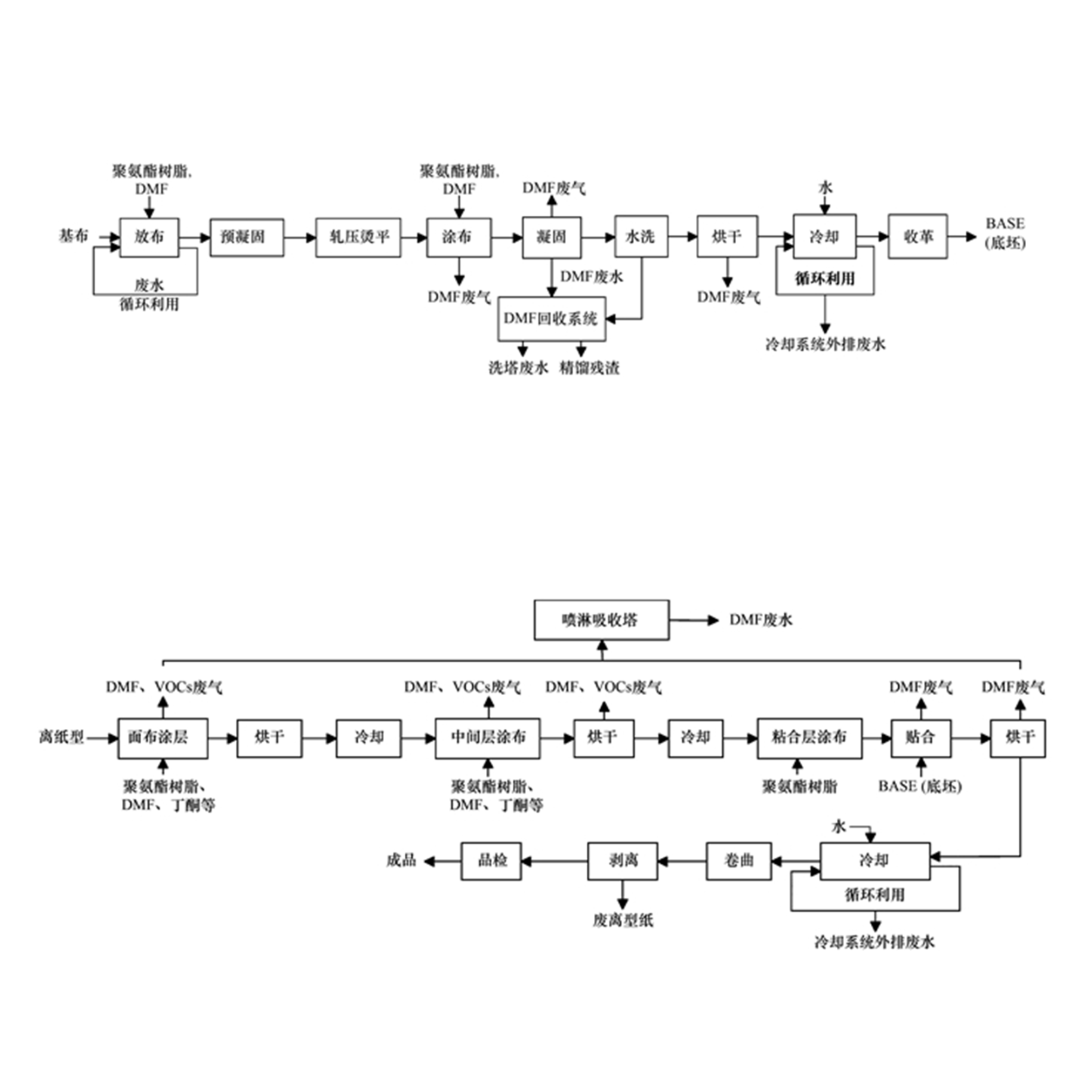
Main exhaust gas and wastewater discharge points in traditional solvent-based synthetic leather dry and wet production processes
Beyond national policy advocacy for green and sustainable production, consumers are also paying closer attention to whether their everyday home environments are healthy and safe.
Hazardous substances in traditional synthetic leather products can be slowly released during use, potentially affecting human health under certain conditions. These substances include not only the well-known formaldehyde but also other VOCs (volatile organic compounds) such as dimethylformamide (DMF). The harm from these toxic substances may not be as immediate as that from food or pharmaceuticals, but prolonged exposure can lead to adverse health effects.

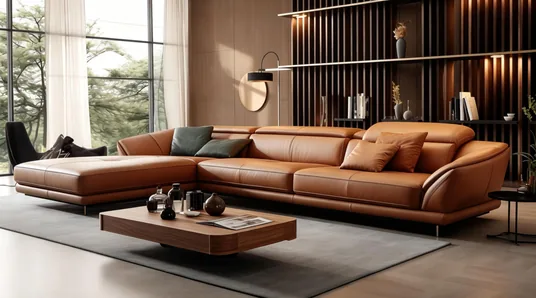
Synthetic leather is widely used in home spaces, closely connected to our daily lives
It is clear that the shift towards more environmentally friendly synthetic leather is urgent. As manufacturers, finding the right path for transformation in line with these trends is crucial.We must consider how to reduce the depletion and exploitation of natural resources while developing healthy, eco-friendly leather products that also deliver functionality, contributing to the sustainable development of human society.
02
Since the 1960s, water-based polyurethane (WPU) materials have attracted attention in Europe, America, and Japan. However, immature technology and high production costs limited their widespread application. Research on water-based leather started relatively late in China, progressing slowly due to limitations in technology, materials, and mindset. Yet, some forward-thinking companies were already preparing for breakthroughs in this field.
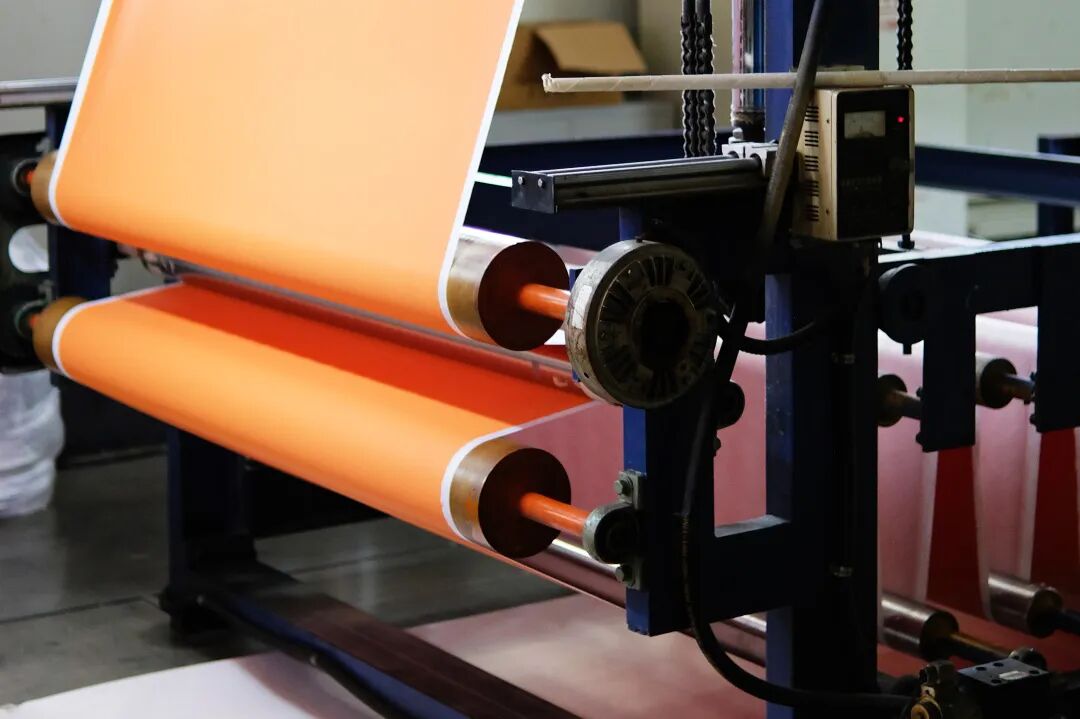
Changfeng water-based PU synthetic leather production line
In 2007, IKEA, the well-known Swedish home furnishing retailer, introduced its "NO DMF" strategy, actively promoting eco-friendly materials with 0 DMF and 0 formaldehyde. Guided by IKEA, Changfeng began researching water-based eco-friendly materials and officially became a global designated leather supplier for IKEA in 2009.
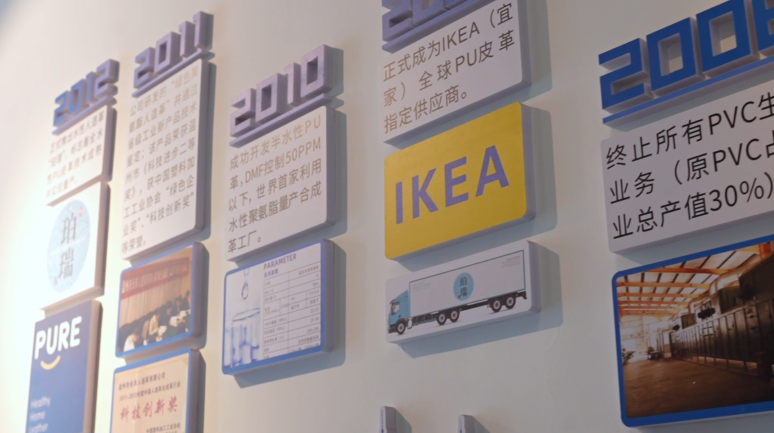
In 2009, ChangfengNew Materials officially became a global designated leather supplier for IKEA
This has been a long journey of exploration. ChangfengNew Materials has dedicated nearly 20 years to the eco-leather sector, accumulating extensive R&D experience and deep technical expertise. This led to the launch of the water-based synthetic leather brand PURE, establishing a unique core competitiveness. Leveraging our strong innovation capabilities, we successfully transformed into the world's first 100% water-based synthetic leather manufacturer, achieving mass production of eco-friendly synthetic leather with 0 DMF and 0 formaldehyde. This represents a truly significant innovation for the transformation and upgrading of China's synthetic leather industry.
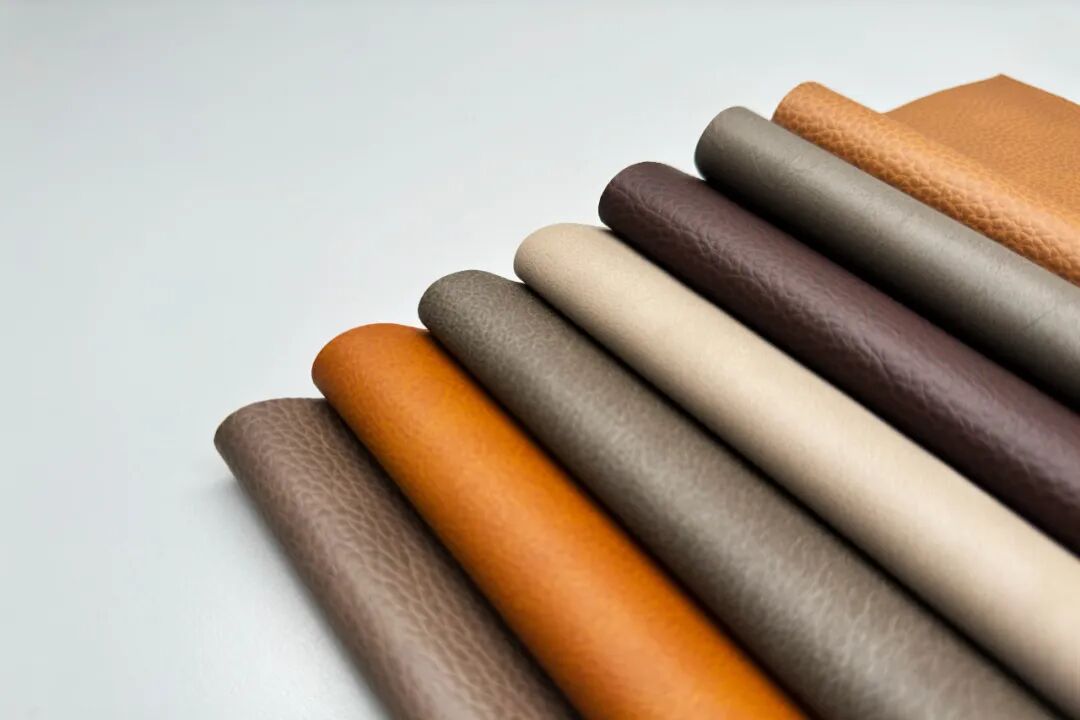
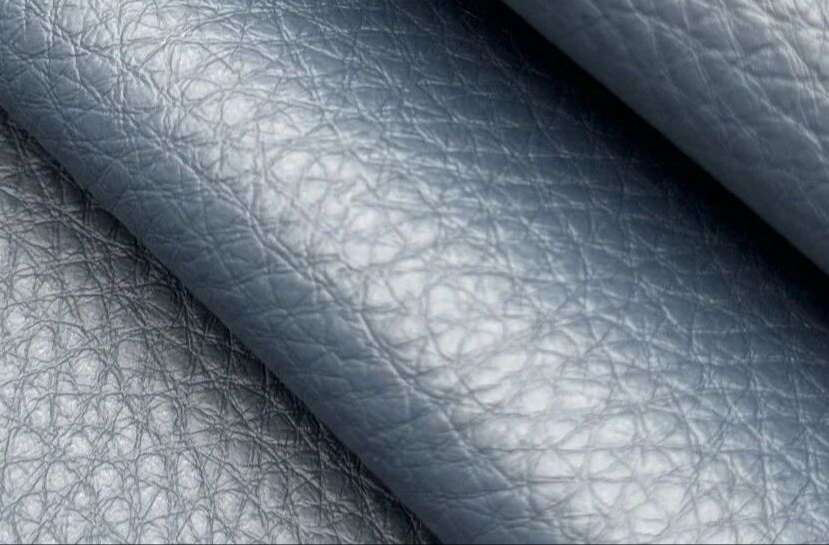
PURE water-based synthetic leather series
Compared with traditional synthetic leather, PURE water-based synthetic leather offers the following advantages:
Eco-friendly & healthy
Traditional synthetic leather often contains harmful substances such as formaldehyde and DMF, posing potential health risks. Water-based synthetic leather contains no organic solvents from raw materials to finished product, achieving ultra-low VOC emissions, free of heavy metals, and with no hazardous gas release during production.
Superior performance
Water-based synthetic leather offers abrasion and scratch resistance comparable to solvent-based leather. In durability tests, PURE water-based leather achieves over 200,000 Martindale abrasion cycles, 200,000 Wyzenbeek abrasion cycles, and over 100,000 flex cycles. Additionally, PURE water-based synthetic leather delivers exceptional durability, with certified hydrolysis resistance exceeding ten years.
Exceptional experience
PURE water-based synthetic leather uses a three-dimensional restoration technique, closely replicating the look and feel of genuine leather. The surface is elastic, soft, and skin-friendly, offering excellent comfort. Notably, PURE can also be customised to meet specific customer requirements, from colour and texture preferences to physical and chemical performance standards, with options for easy-clean, anti-mould, antibacterial, and flame-retardant properties.
03
As awareness of home health and environmental protection continues to grow, the future of leather material development will follow a non-toxic, green, and low-carbon path. Driven by evolving industry policies, rising consumer environmental awareness, and advancing process technologies, the promotion and adoption of water-based leather will become an inevitable trend. The water-based leather industry will transition from rapid growth to maturity, capturing a larger market share.
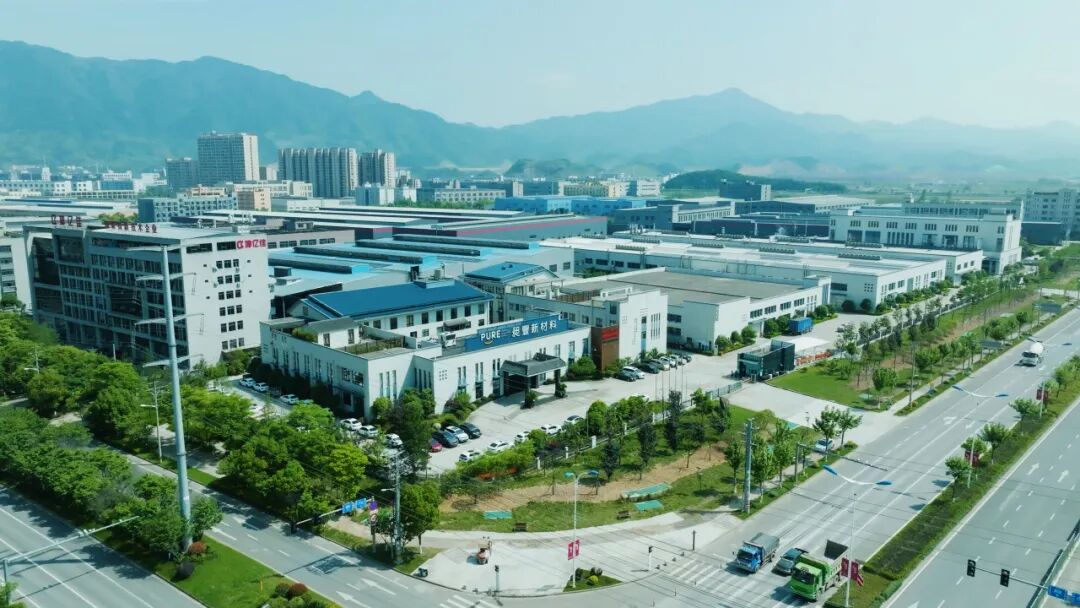
Aerial view of the ChangfengNew Materials factory site
For companies across the upstream and downstream supply chain, producing and applying eco-friendly materials and achieving green transformation is not only about protecting the environment and responding to national policies, but also about driving business growth and strengthening core competitiveness. On one hand, innovative green technologies and products enhance market competitiveness. On the other hand, green transformation aligns with societal expectations, helping to build a positive corporate image and demonstrate social responsibility.