




Pollution Prevention & Sustainable Practices


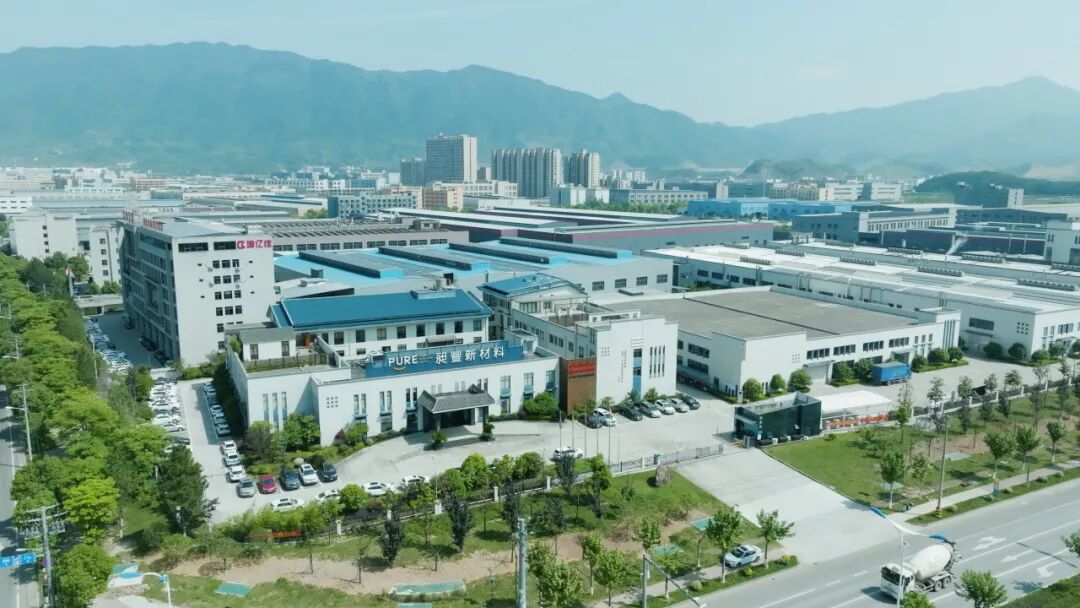
PURE® | Zhejiang Changfeng New Materials is committed to pollution prevention throughout its Green Factory programme. Beyond reducing pollution at source through full water-based and solvent-free processes, we actively invest in advanced treatment technologies to manage waste gas, wastewater and solid waste. Our goal is to minimise environmental impact, build an eco-friendly enterprise and drive sustainable industry growth.
1
Wastewater Treatment
Thanks to our full water-based process, Changfeng uses water as the solvent instead of toxic organic solvents such as dimethylformamide (DMF) and toluene. As a result, our wastewater is free from DMF, toluene and other hazardous substances, containing only minimal chemical pollutants. With the continued advancement of solvent-free processes, pollutant levels in our wastewater have been further reduced, significantly lowering our environmental impact.
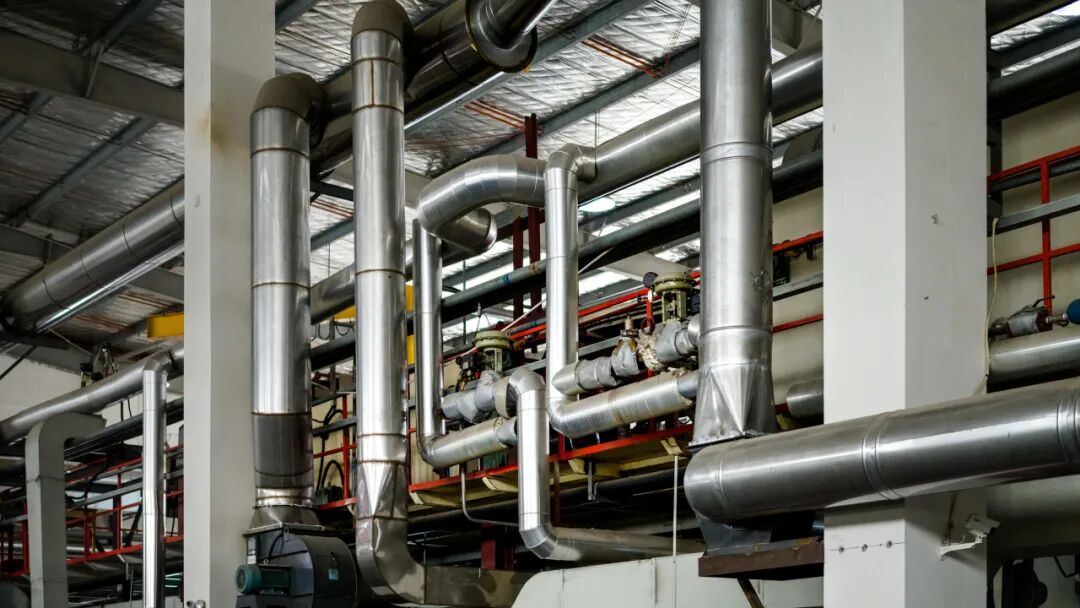
Water circulation system in our factory workshop
Our factory is equipped with a wastewater treatment centre featuring a collection tank with a capacity of 370 tonnes. The system can treat up to approximately 240 tonnes of wastewater per day, with a current daily throughput of around 20 tonnes. We employ a full-process wastewater management model combined with flocculation-sedimentation, anaerobic and aerobic treatment technologies to effectively remove organic matter, suspended solids, ammonia nitrogen and other pollutants, safeguarding the factory environment.
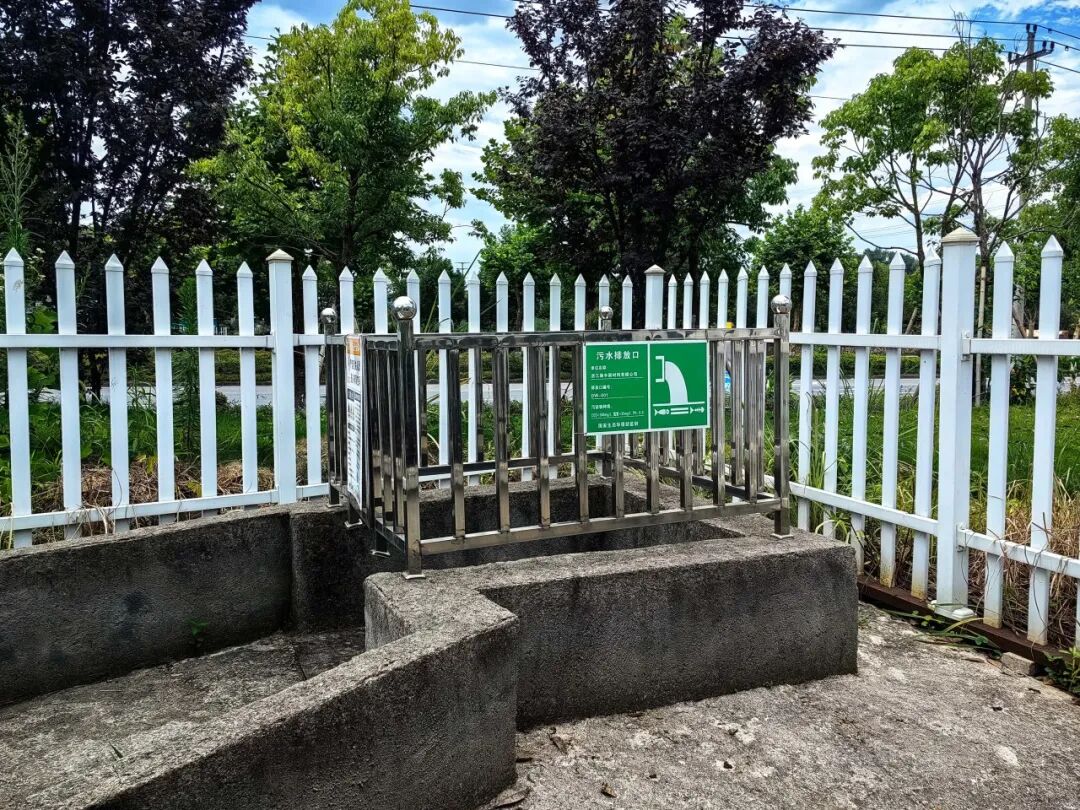
Wastewater discharge outlet at our factory
In addition, our wastewater discharge outlet is equipped with online monitoring equipment, connected in real time to the local environmental protection authority to track discharge conditions. Every six months, we commission a qualified third-party testing agency to conduct inspections and audits, ensuring all wastewater discharge complies with national standards.
2
Waste Gas Treatment
Having eliminated the use of organic solvents, our production process now generates only water vapour, along with small amounts of drying exhaust, printing exhaust and buffing dust. Any exhaust gases are collected via gas collection devices and directed to treatment towers adjacent to the workshop, where they undergo three-stage spray treatment before being released.
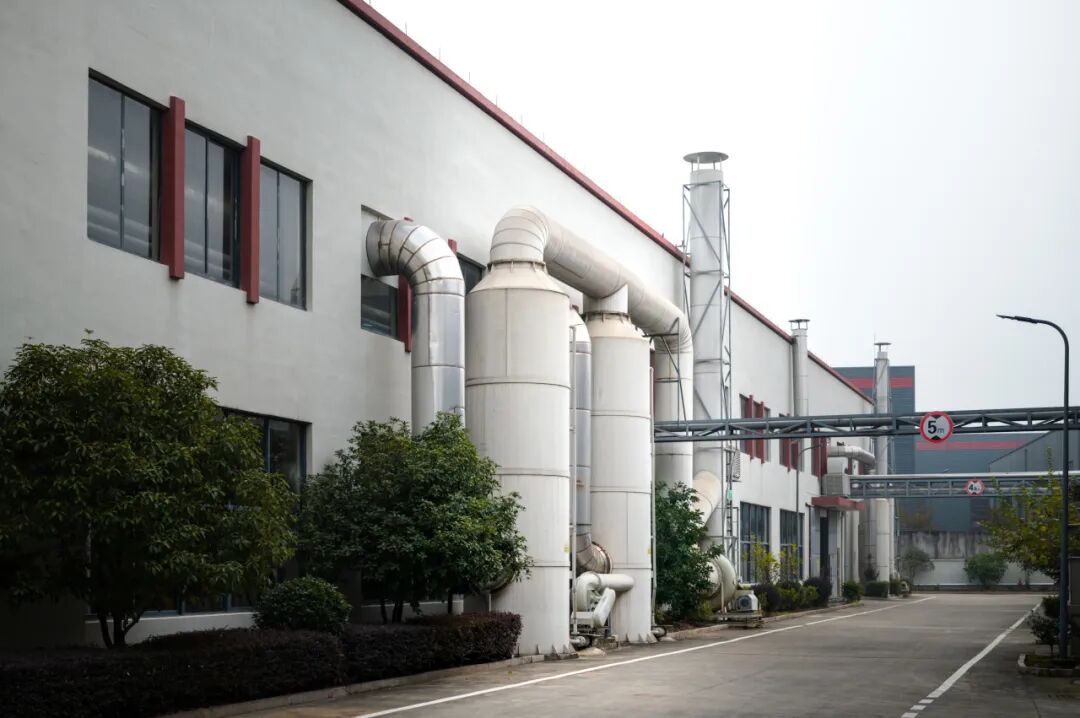
Exhaust gas sampling device outside our factory workshop
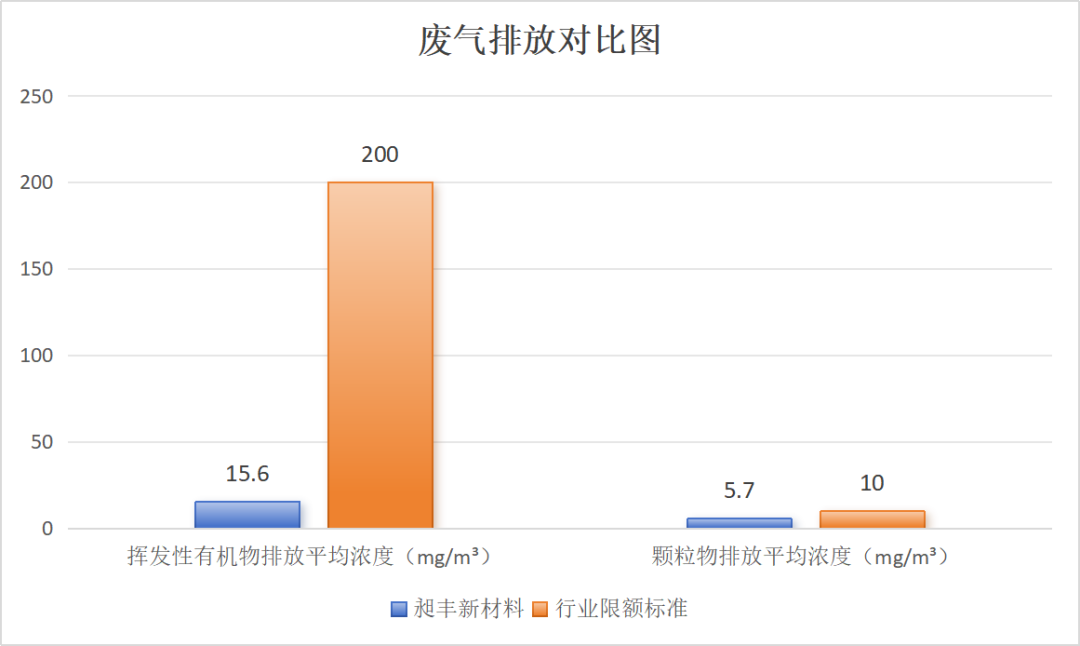
For exhaust emissions, we also commission a third-party testing agency for review every six months. Tests show that the average concentration of volatile organic compounds (VOCs) in our exhaust gas is 15.6 mg/m³, well below the industry limit of 200 mg/m³. This significantly reduces pollution in the factory environment and ensures the safety of our workers during production.
3
Solid Waste Management
For general solid waste and hazardous waste, our factory has dedicated storage areas and strictly complies with the "Standard for Pollution Control on the Storage and Disposal Site for General Industrial Solid Wastes (GB 18599-2001)" and the "Standard for Pollution Control on the Storage of Hazardous Wastes (GB 18597-2001)". Hazardous waste is only recycled, incinerated for energy recovery or disposed of after the treatment facility has obtained the relevant qualification certificates. For non-hazardous waste, we focus on waste reduction, reuse and recycling to extend material lifecycles, alongside incineration for energy recovery, with the goal of achieving zero landfill.
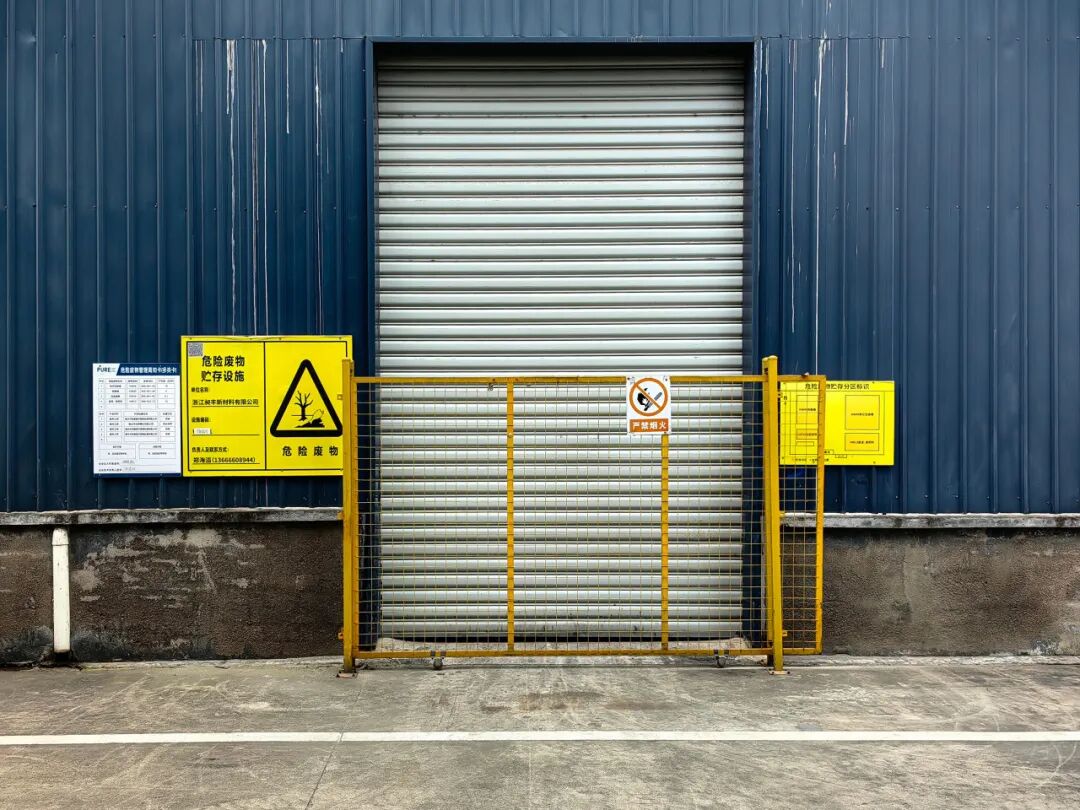
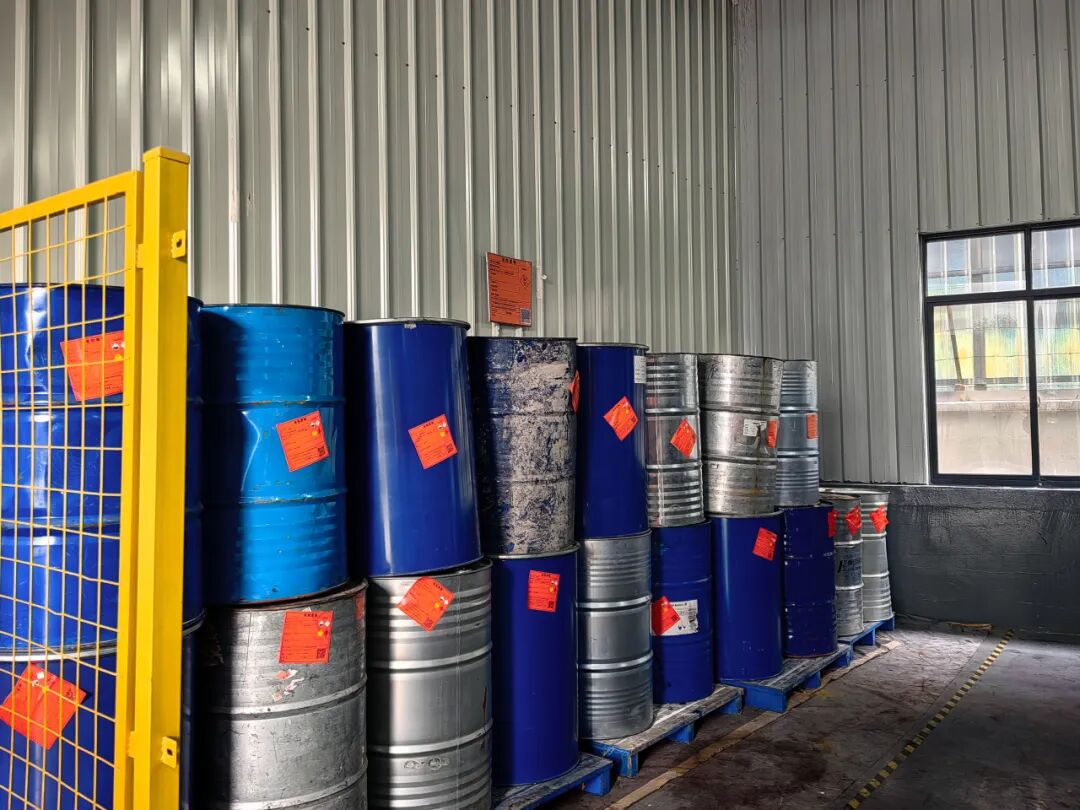
Hazardous waste storage warehouse
With the widespread adoption of water-based synthetic leather, the outdated perception of the synthetic leather industry as polluting is now history. As green, low-carbon and sustainable development become global consensus, Changfeng, as a synthetic leather manufacturer, will continue to deepen its environmental stewardship, maximise resource efficiency, minimise environmental impact, uphold strong corporate responsibility and drive high-quality development.