
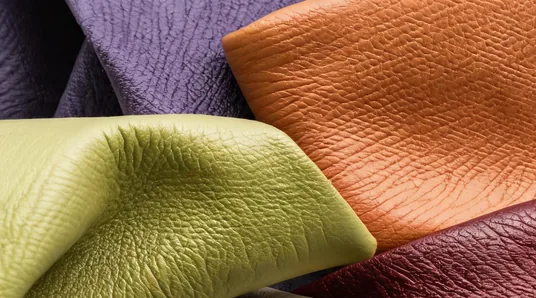


Nankang Furniture's Oil-to-Water Shift: Is Full Water-Based Adoption Imminent?


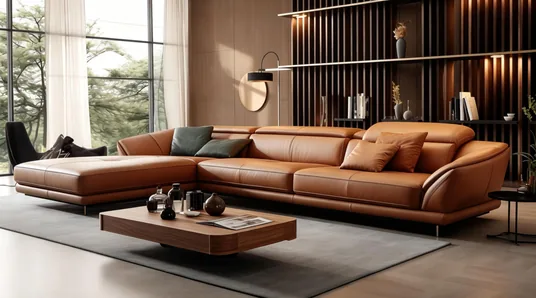
Recent news about the "oil-to-water" transition at the Nankang Furniture Industrial Park in Ganzhou, Jiangxi Province, has been widely shared across the industry. The heated discussions have once again brought the topic of green upgrading in the furniture sector into the spotlight.
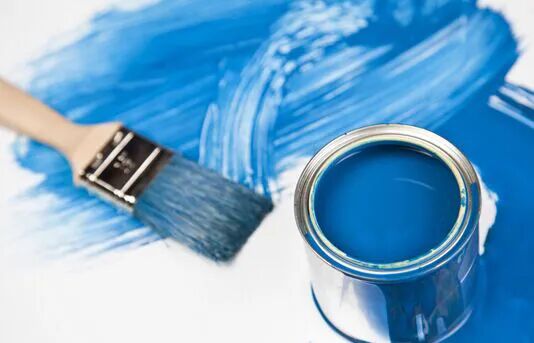
The transition has not been smooth sailing for Nankang’s furniture industry. Manufacturers have long worried about the production costs of new coatings, while brands have questioned whether final product quality would be compromised. Hesitation was widespread across the value chain. To maximise enterprise participation and drive this transformation forward, the Nankang District Government introduced the “Action Plan for VOCs Control in Furniture Spraying Enterprises of Nankang District, Ganzhou City”, offering policy support and financial subsidies to companies switching to water-based paints. At the same time, the government has rolled out vocational training programmes for spray painters across the district, raising their skills in water-based coating application and accelerating the industry-wide upgrade from solvent-based to water-based processes.
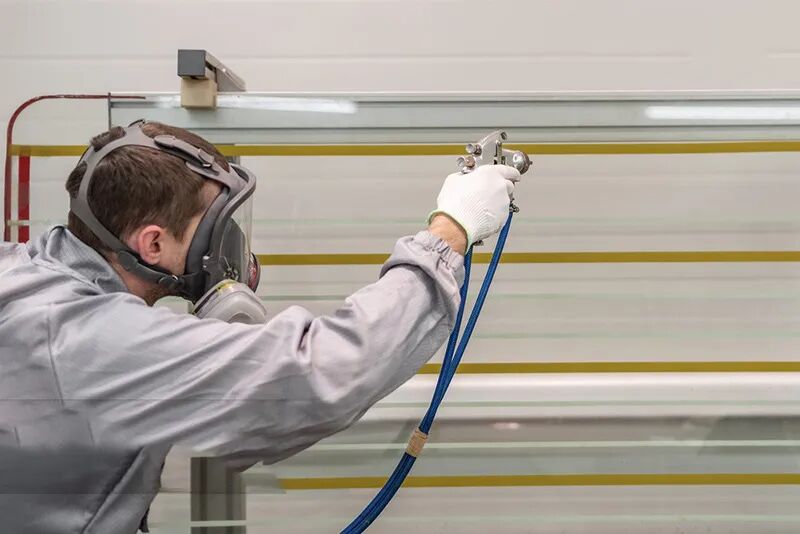
According to recent figures released by the Nankang District Government, 267 local enterprises have ceased spraying operations altogether. Among the district’s furniture spraying companies, 14 have achieved full-process treatment, 84 have completed the switch to water-based coatings, and 105 are currently in large-scale trial production with water-based systems. With strong government backing, a growing number of furniture manufacturers using traditional solvent-based coatings are joining the green transformation.
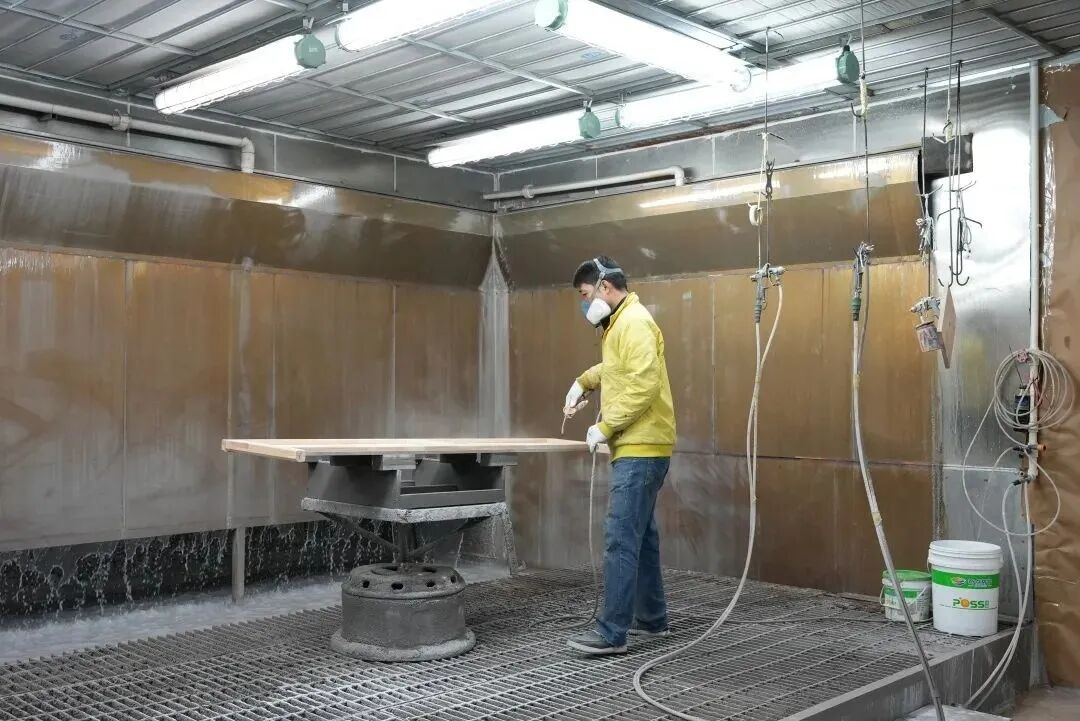
As environmental pressures have intensified in recent years, the national government has introduced environmental protection taxes covering air, water, solid waste and noise pollution. Joint central-local enforcement campaigns have been stepped up, and furniture manufacturers are now listed as key targets for environmental monitoring. The furniture industry has moved from “slow transition” to “transition or die”.
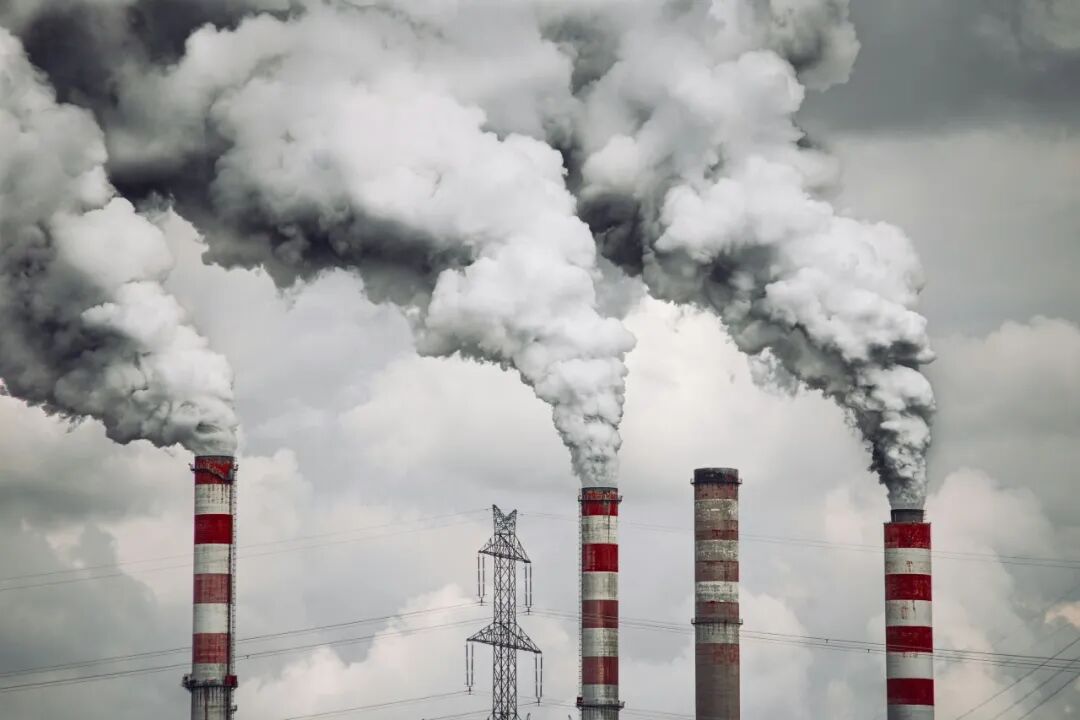
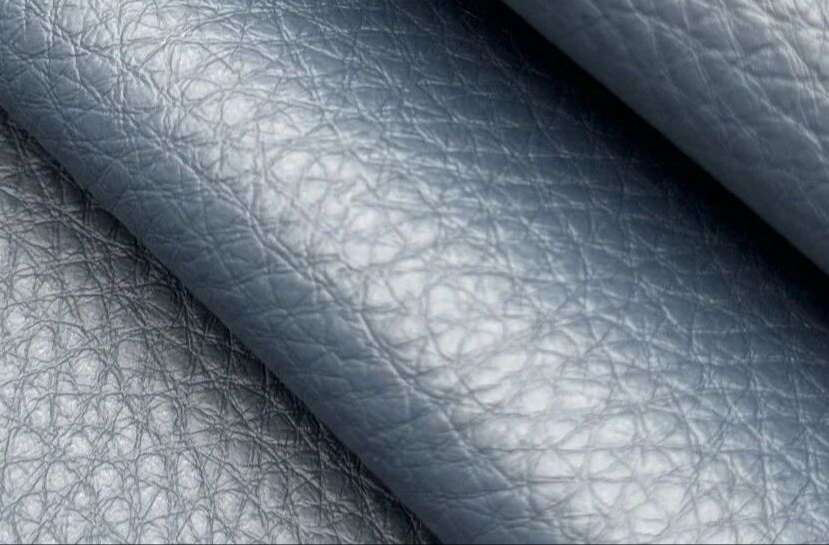
Traditional solvent-based coatings release significant volumes of volatile organic compounds (VOCs) during application, polluting the environment and posing health risks. Leather, a key raw material in furniture manufacturing, faces the same scrutiny. Conventional materials such as genuine leather, PVC and solvent-based PU generate substantial VOC emissions during production. Moreover, the use of organic solvents means traditional leather products inevitably carry harmful substances such as formaldehyde and DMF. These contaminants enter consumers’ indoor living spaces along with the furniture, threatening human health. The leather industry clearly faces the same urgent need for a green upgrade from solvent-based to water-based processes.
Zhejiang Changfeng New Materials began developing DMF-free, formaldehyde-free eco-friendly synthetic leather products as early as 2007, becoming the first company in China to achieve 100% pure water-based synthetic leather production. With nearly two decades of deep expertise in water-based leather technology, Changfeng has built extensive R&D experience and a strong technical foundation. The company continues to explore emerging materials such as water-based solvent-free and water-based bio-based options, playing a pivotal role in advancing the green transformation of China’s synthetic leather industry.
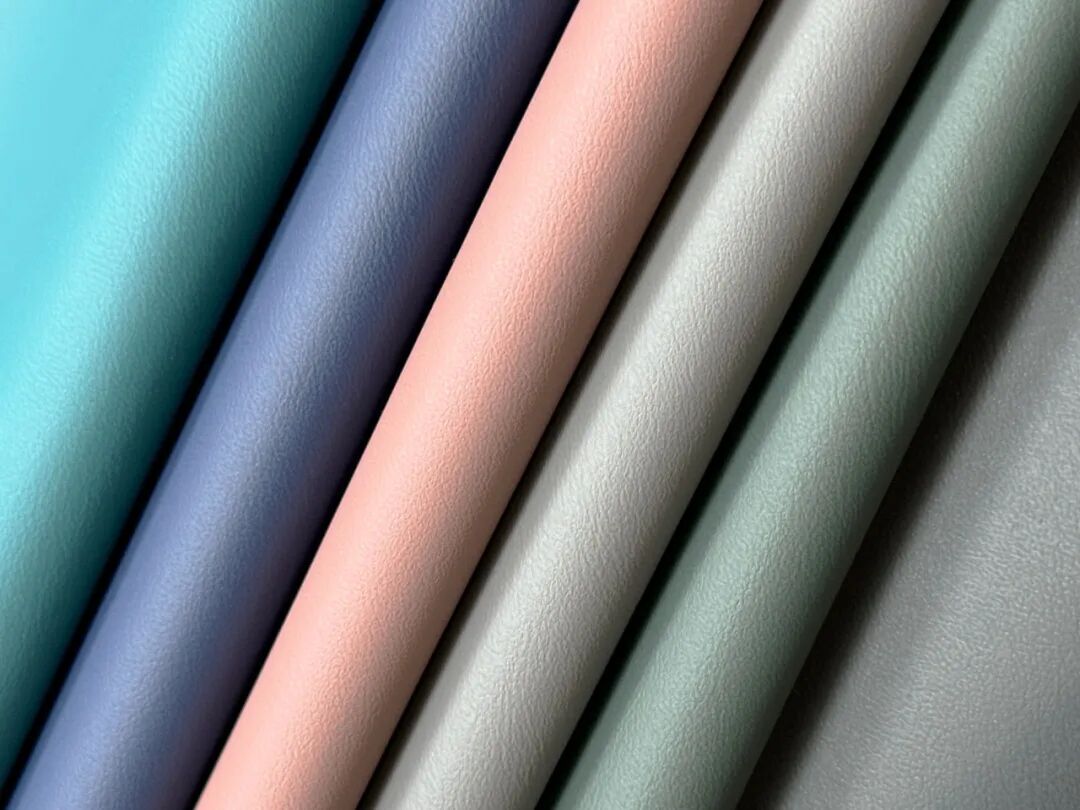
As consumer environmental awareness continues to grow, the leather industry is inevitably moving towards a low-carbon, eco-friendly future. The promotion and adoption of water-based leather will become both an industry trend and a public priority. With supportive policies, advancing manufacturing technologies and rising consumer consciousness, the industry’s shift “from oil to water” is gradually becoming a reality. We look forward to seeing more green, sustainable furniture entering consumers’ homes in the years ahead.
Sources:
Gannan Daily — “Oil-to-Water: The Green Code for Sustainable Furniture in Nankang”
Industrial Coatings — “Nankang Furniture’s Oil-to-Water Transition: Government Commitment in Action”
Nankang Media — “Nankang Advances Oil-to-Water Transition, Promotes Green Furniture”